Venezia è un videogame
Essay, 2025
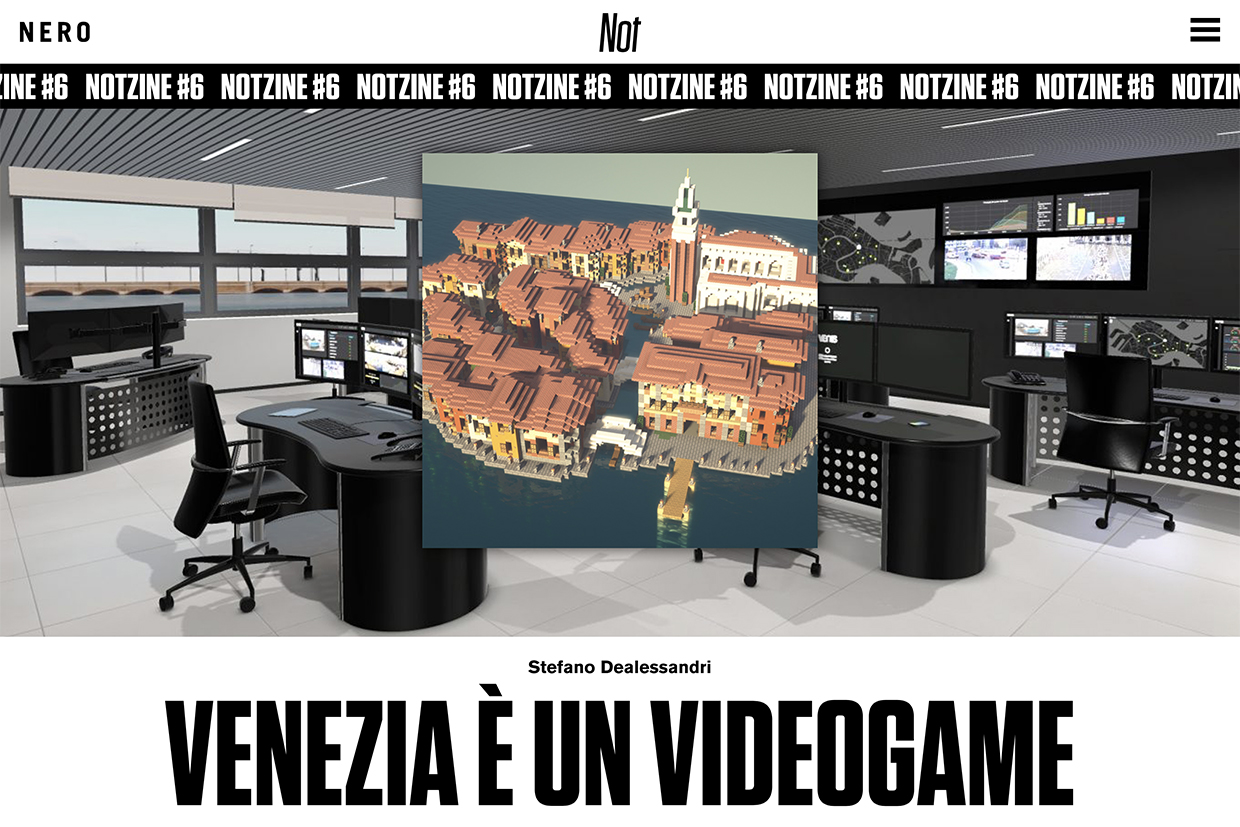
"Venezia è un videogame" is part of Notzine #6 Neuroarchitettura by NERO, edited by Simone Sauza and Laura Tripaldi.
Read the essay here.
Stefano Dealessandri about
I am a visual and spatial storyteller.
I am a visual and spatial storyteller with a background in design, research, and architecture.
I have been an artist-in-residence at Fabrica Research Centre, and from 2019 to 2023 I was part of the curatorial team at Frappant Galerie in Hamburg.
My work has been presented internationally, including at the Rotterdam Design Biennale (2025), Hot Docs (Toronto, 2024), re:publica (Hamburg, 2024), and the Fuori Biennale in Venice (2023), among others.
In 2025, my short film J’adore Venise received the Prix du Jury at the Grain Urban Festival in Paris.
Responsible for the content of this page is: Stefano Dealessandri. Advice of liability: Stefano Dealessandri is not responsible for any contents linked or referred to from her website. The contents are subject to control and liability of the responsible provider.
© 2025 Stefano Dealessandri
"Venezia è un videogame" is part of Notzine #6 Neuroarchitettura by NERO, edited by Simone Sauza and Laura Tripaldi.
Read the essay here.
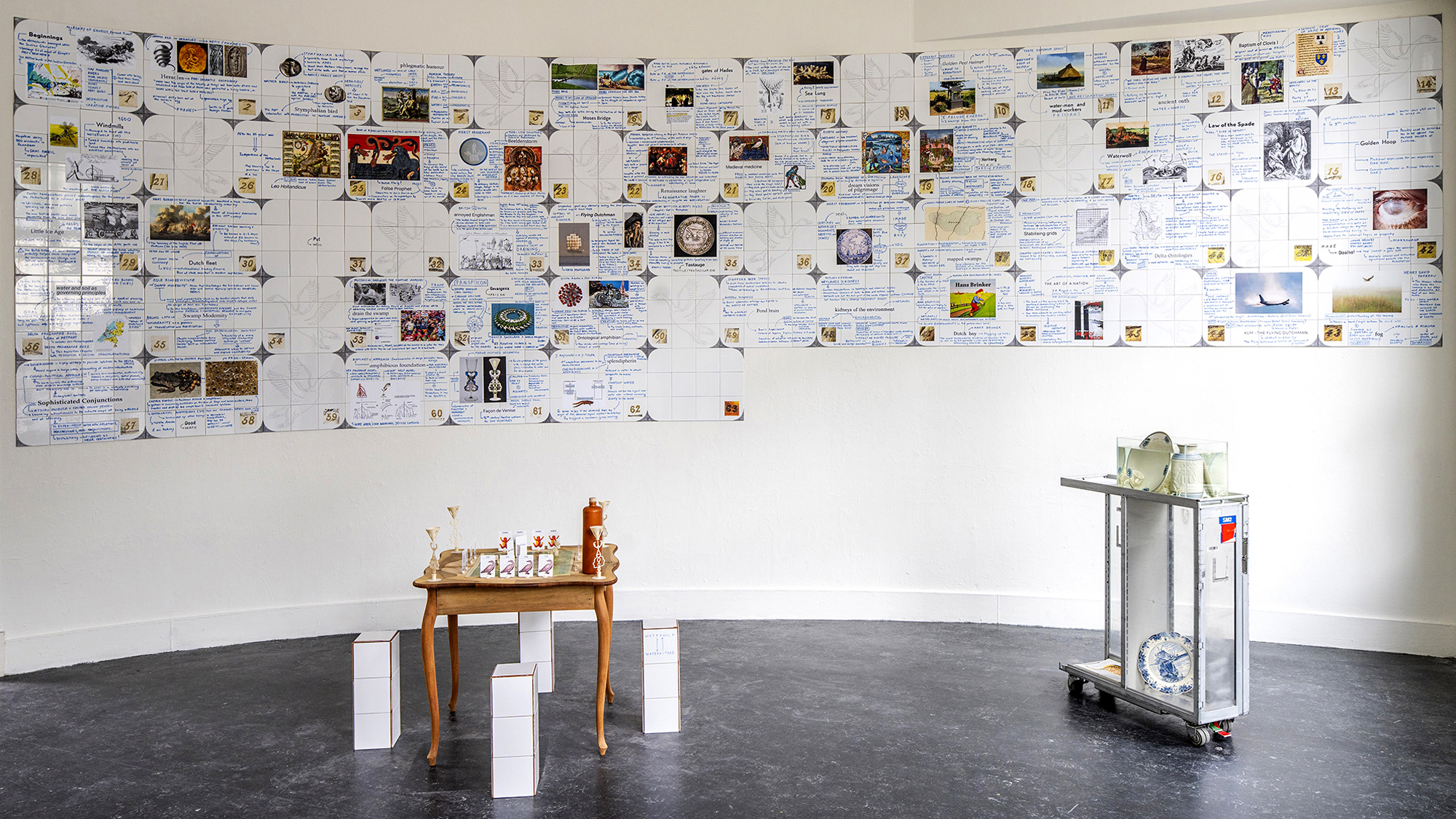
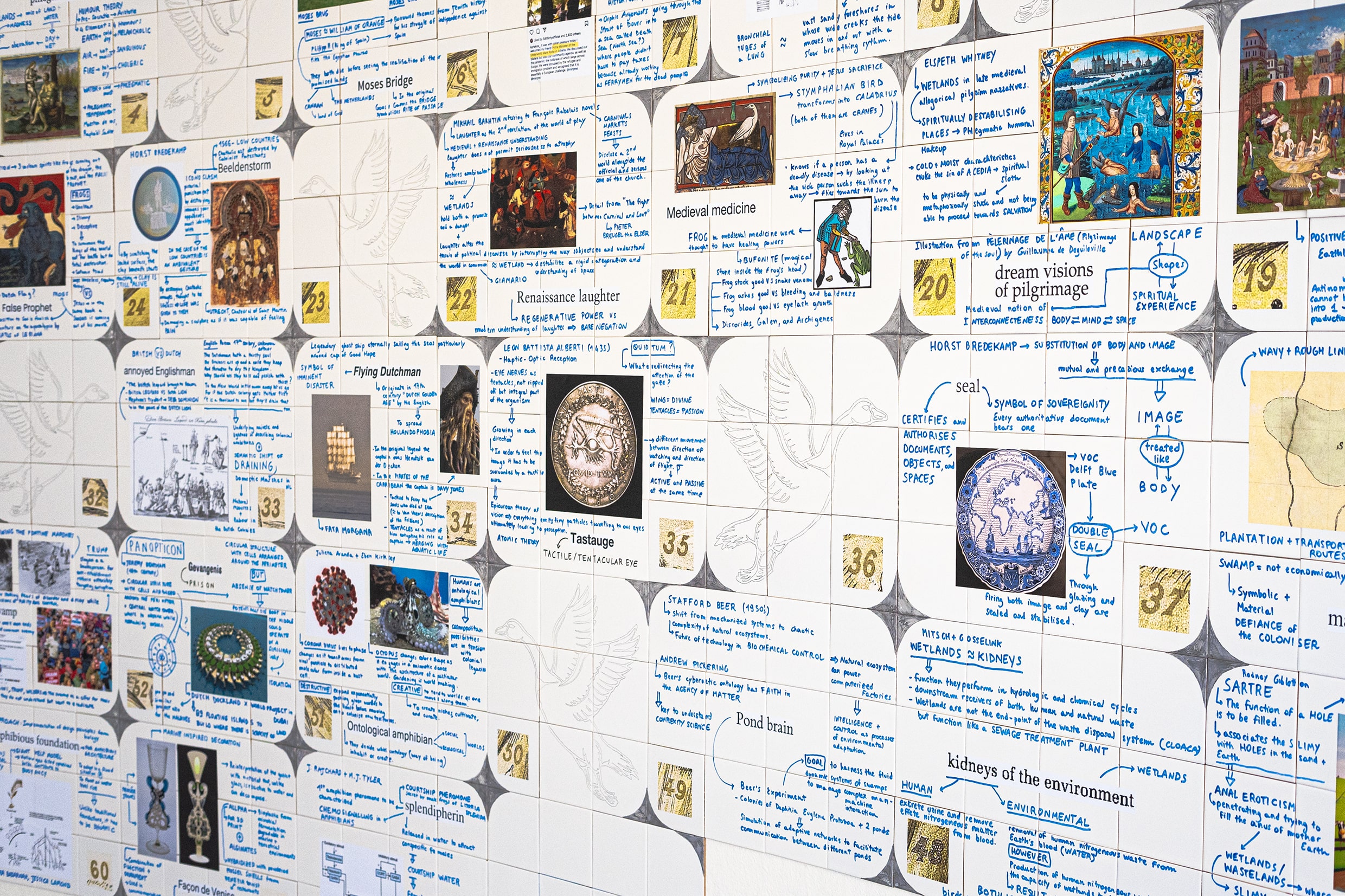
“AnAmphibious Retreat” explores processes of vilification and re-evaluation of wetlands—transitional zones between land and water that resist rigid categorization. The project focuses particularly on the Netherlands, a country historically shaped by the drainage of wetlands, now reconsidering the reintegration of these very environments. Central to this investigation are the themes of ambiguity, instability, and decay.
The project engages with the fluid meanings of “retreat”—both as a withdrawal from deeply-rooted beliefs, and as a space for study or leisure. Through a visual essay, it reimagines amphibious environments as sites of experimentation, critical inquiry, and ecological transformation.
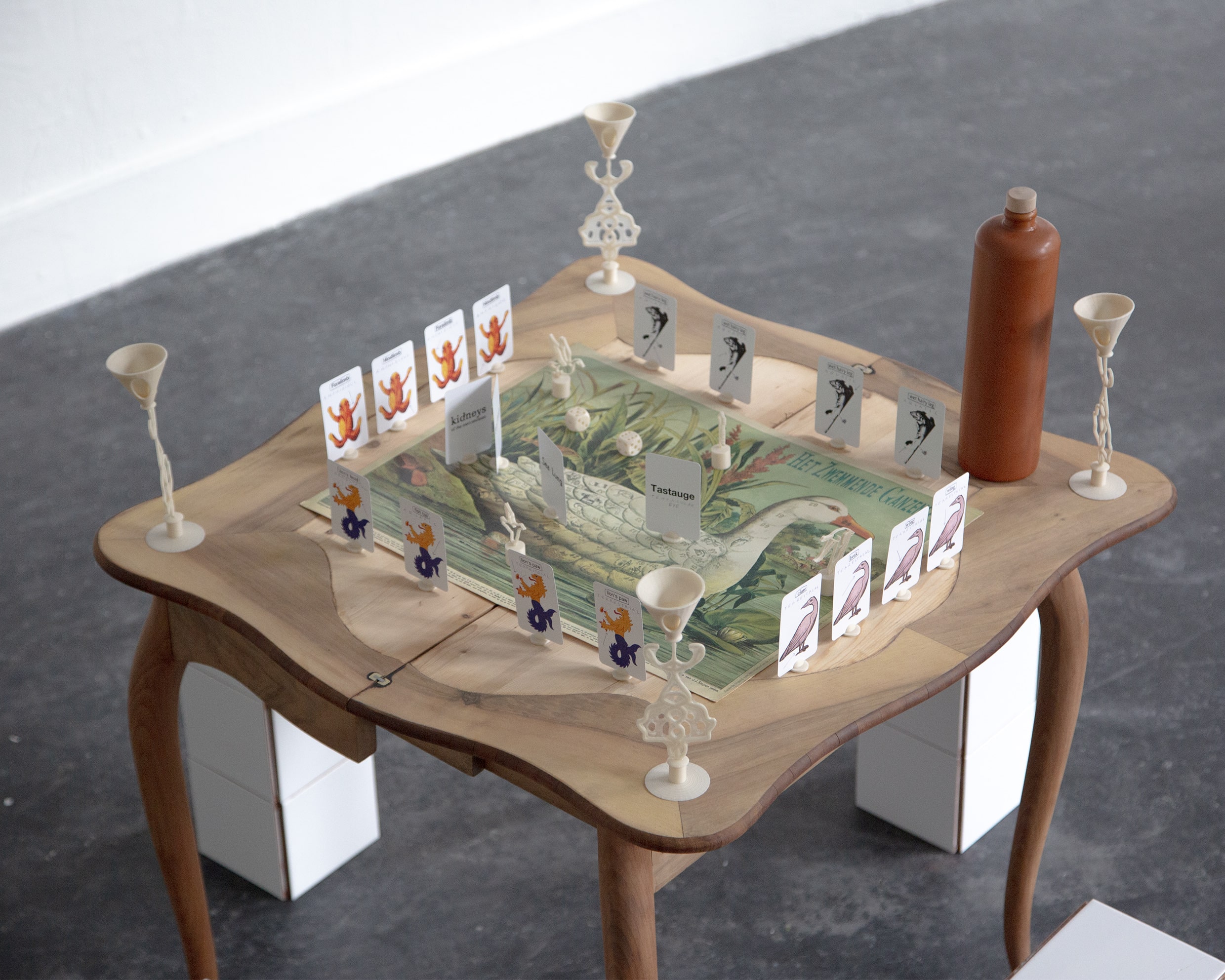
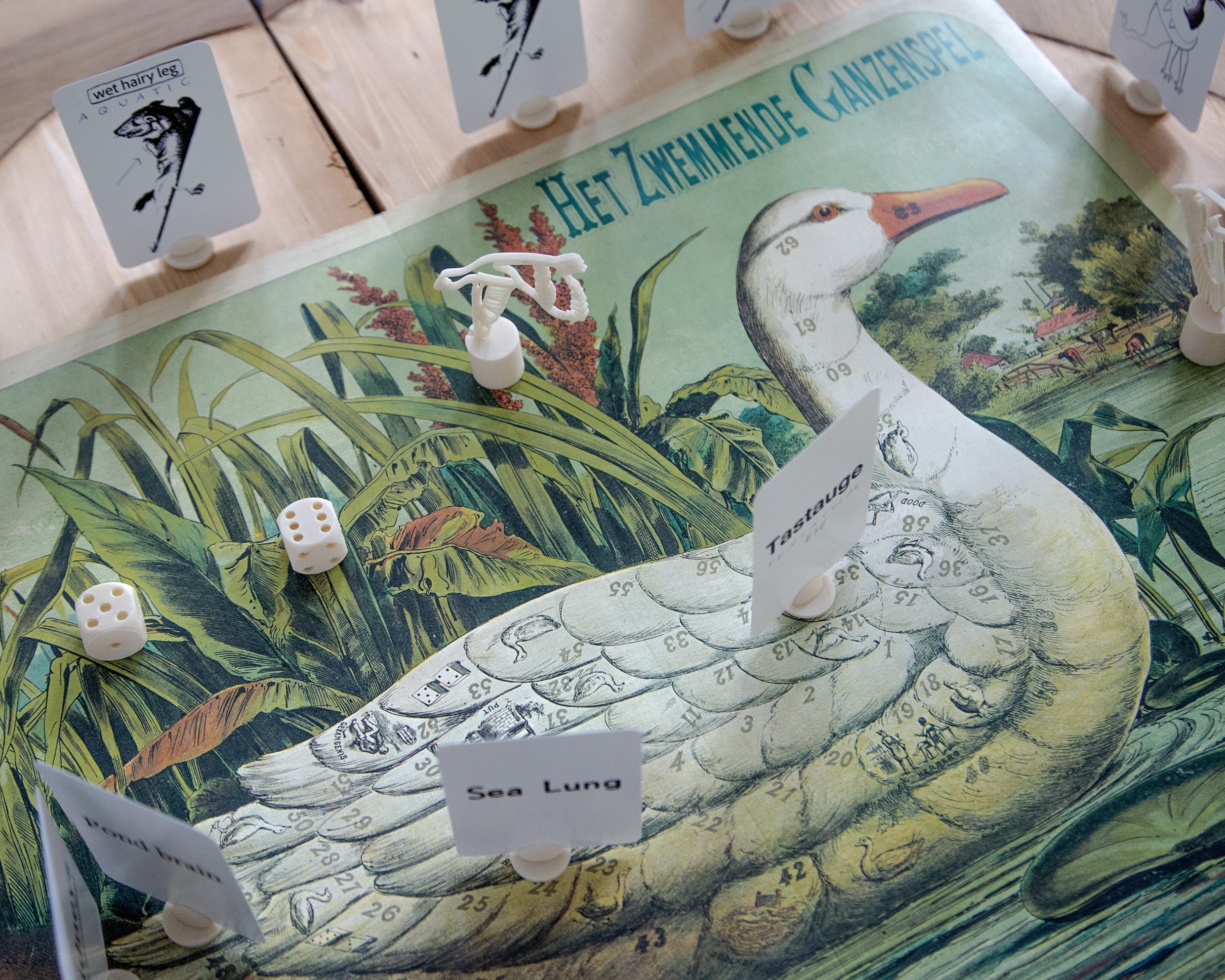
The work unfolds through an open-ended adaptation of the “Goose Game,” a 16th century board game originally from Italy, using its cyclical structure as a playful journey through the evolving meanings and layered histories of Western understandings of wetlands.
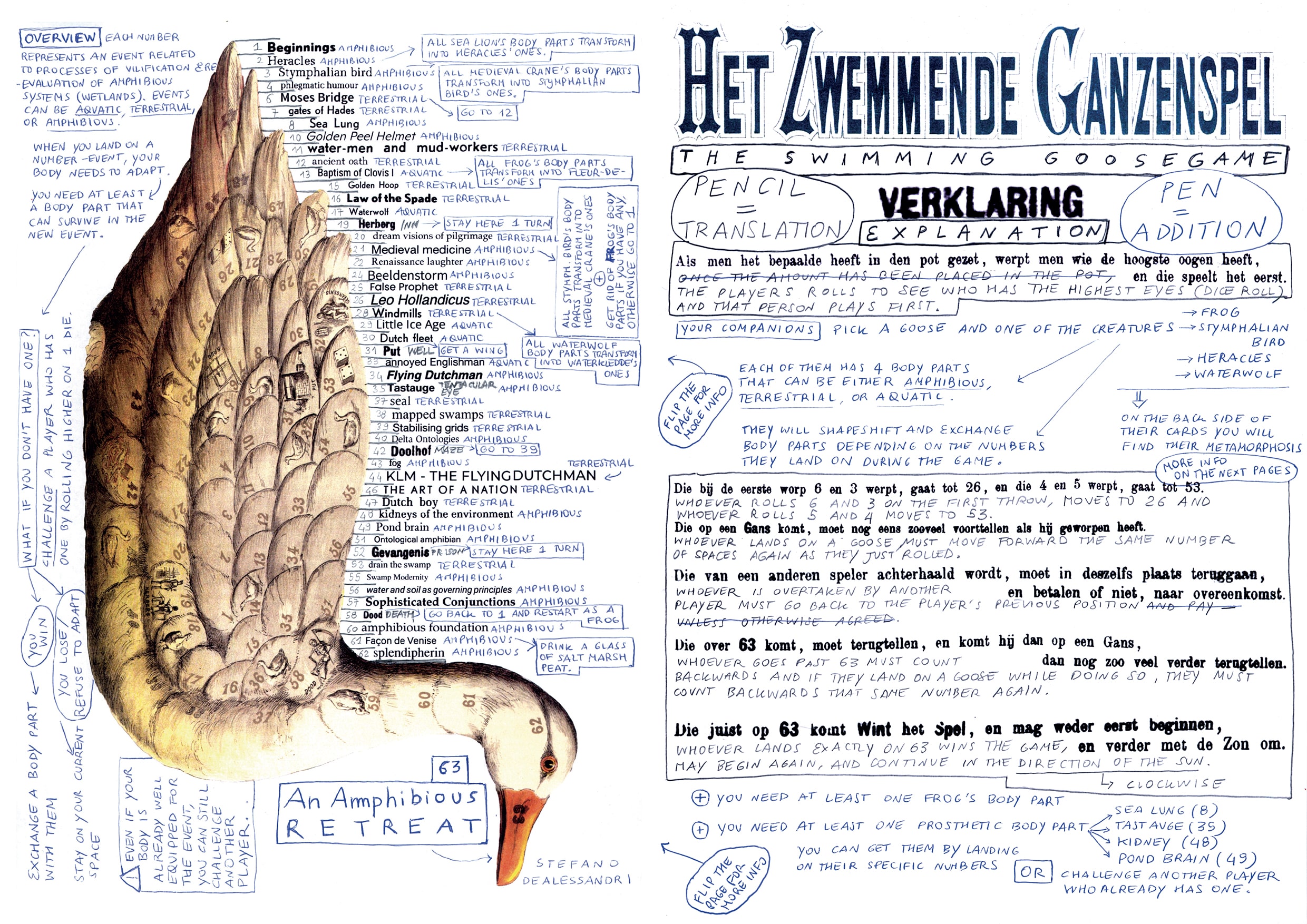
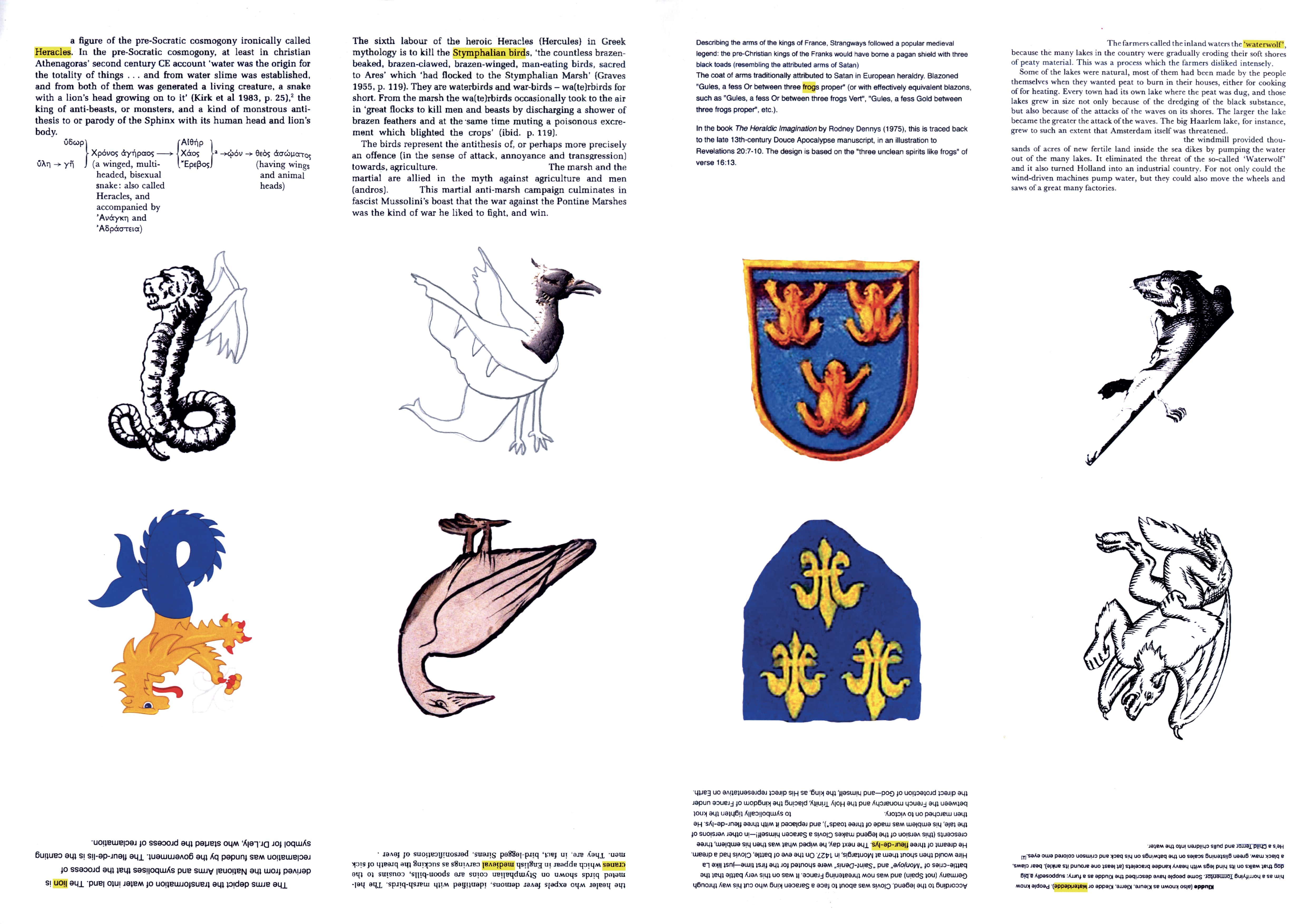
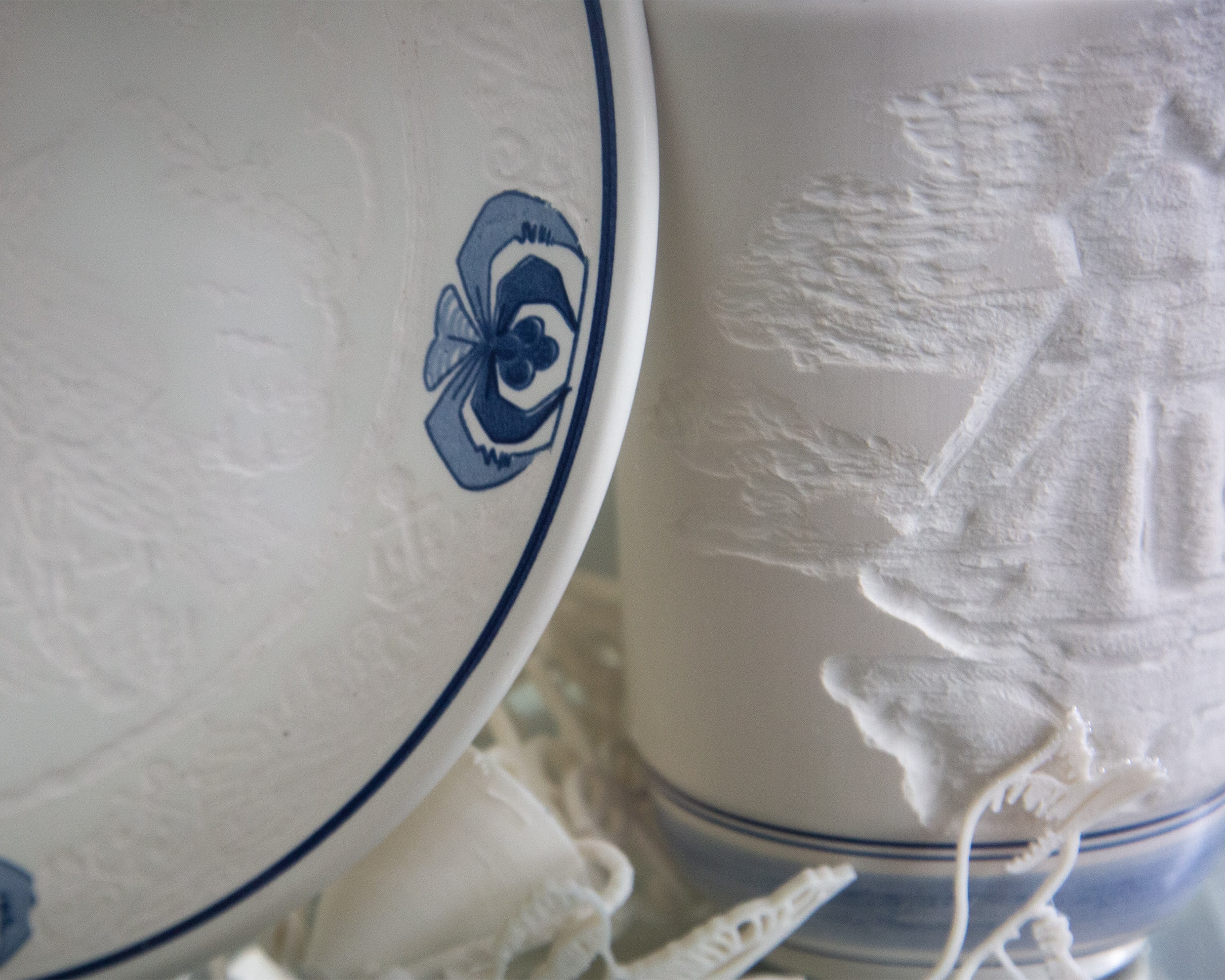
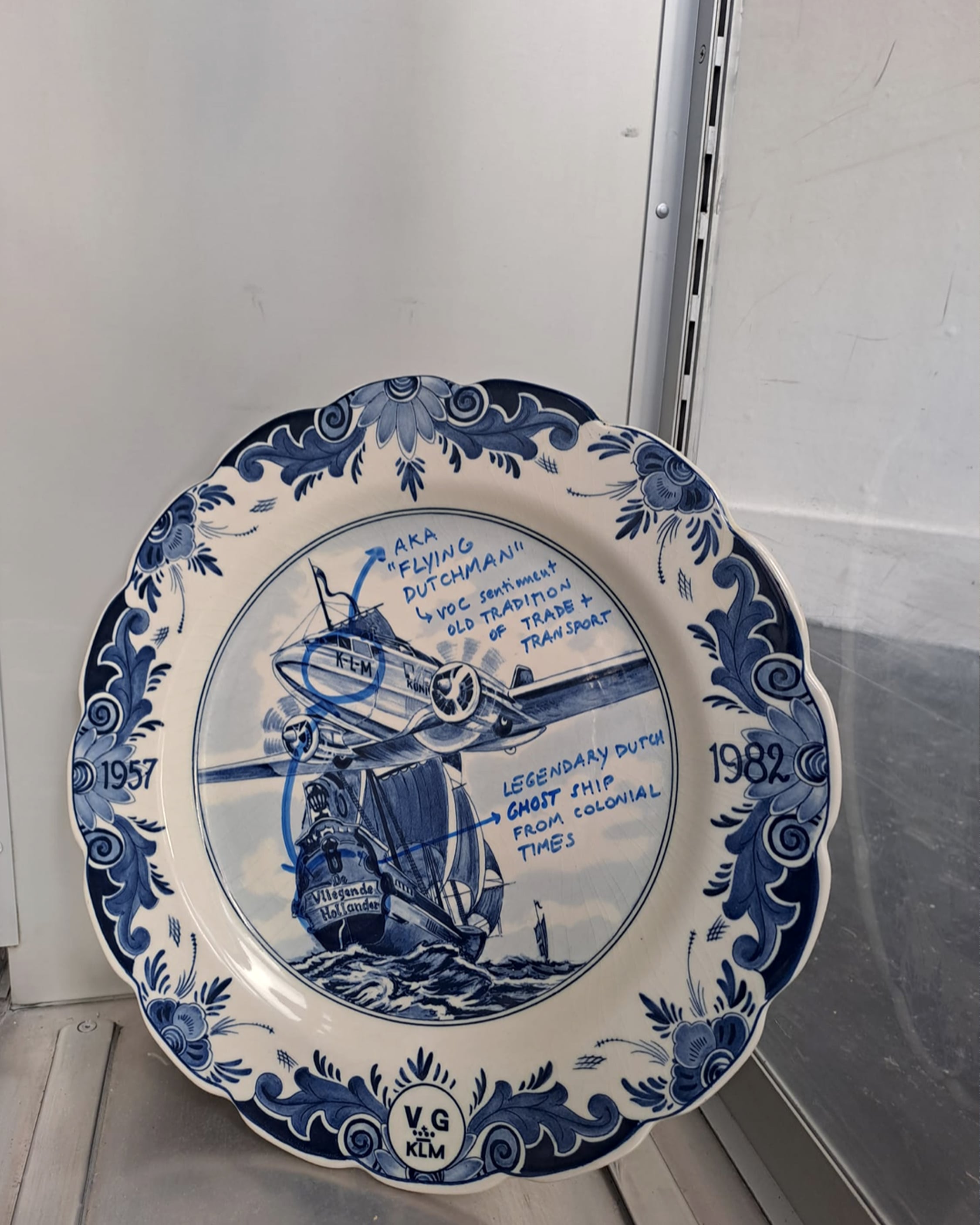
On a material level, a process of decay and transformation is triggered by scratching the sealed surfaces of traditional Delft Blue ceramics, which depict images of extractive colonial dominion over the environment. On top of this, the ephemerality of the materials used, such as 3D-printed bioplastic, degradable in marine environments, and water-soluble blue ink, reflects the instability and transience of both this research and the environments being considered.
“AnAmphibious” functions as a deliberate linguistic glitch, suggesting both an indefinite article and a prefix of negation. It gestures toward the project’s core skepticism: can amphibious logics truly infiltrate systems historically designed to oppose them?
*Project developed with the conceptual support of belit sağ, Katrin Korfmann, Linda Van Deursen, Ludmila Rodrigues, and Dr. Ramon Amaro.
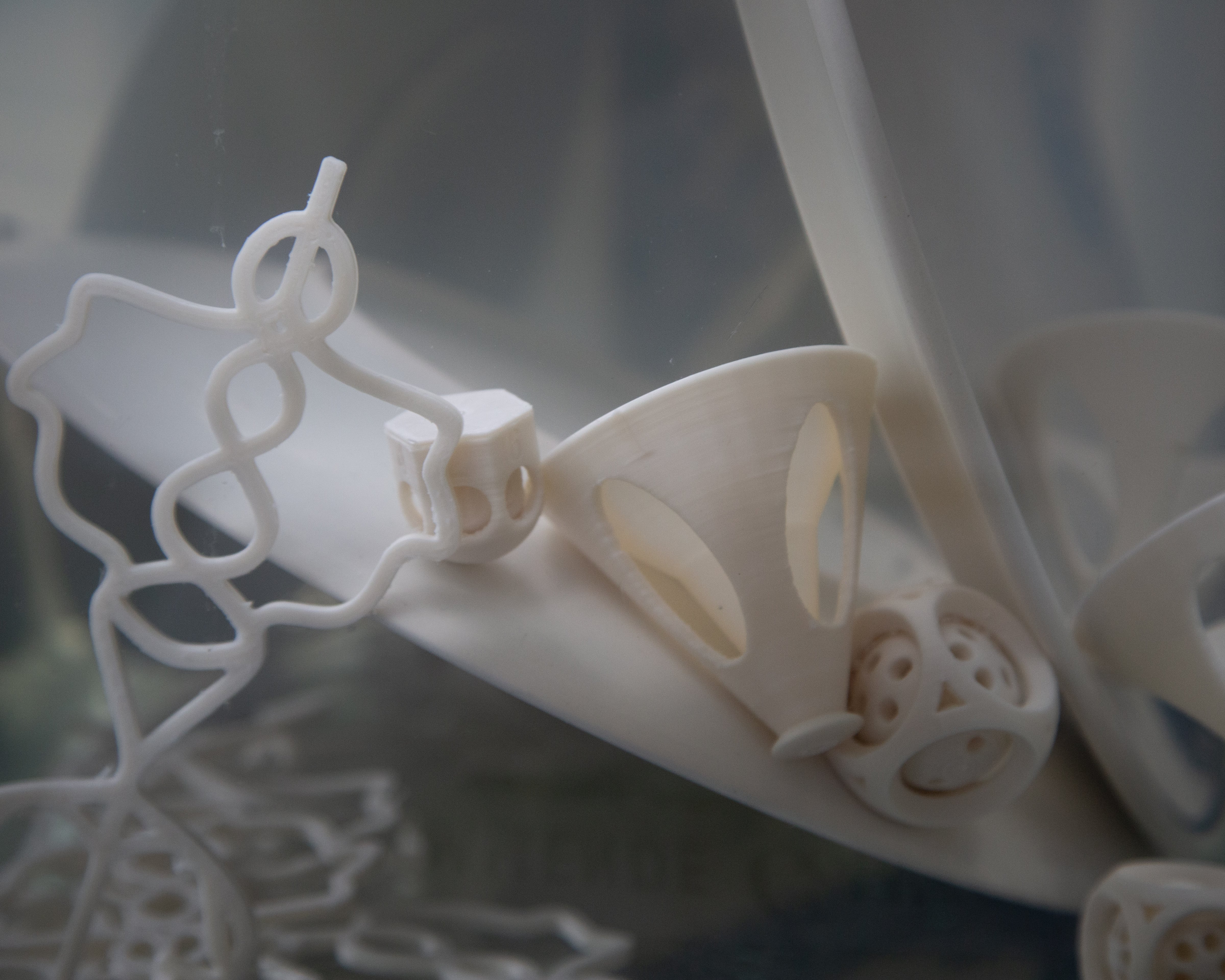
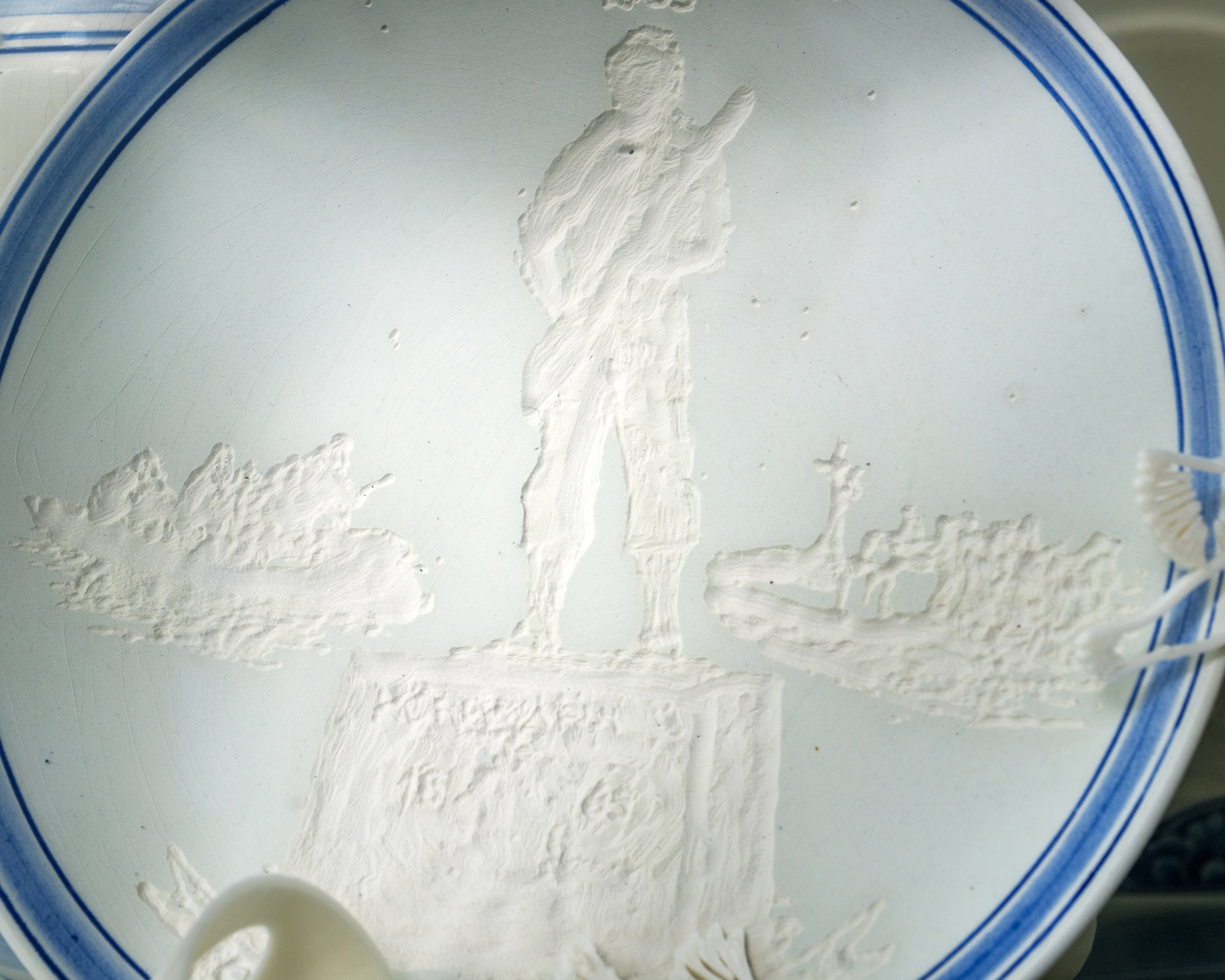
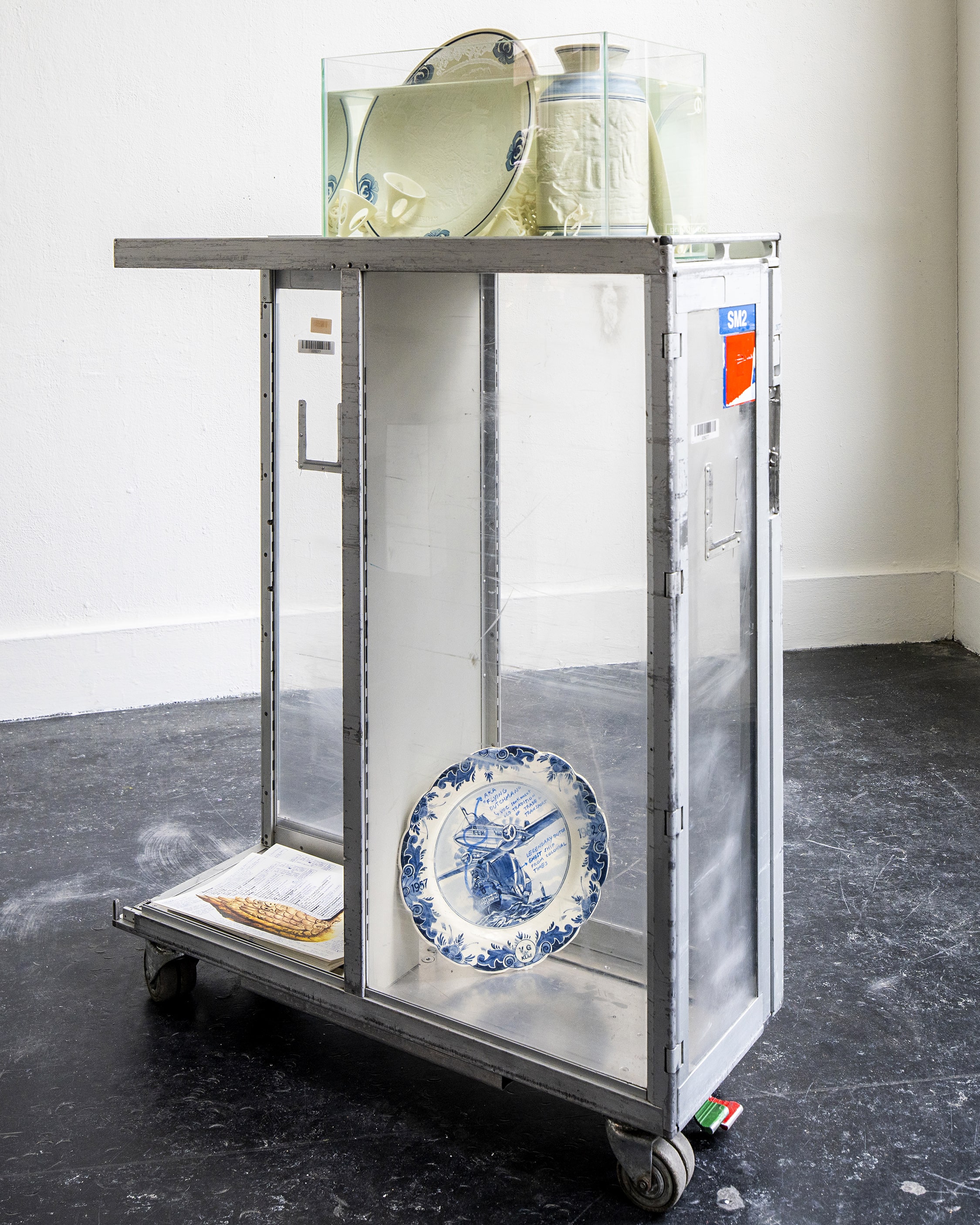
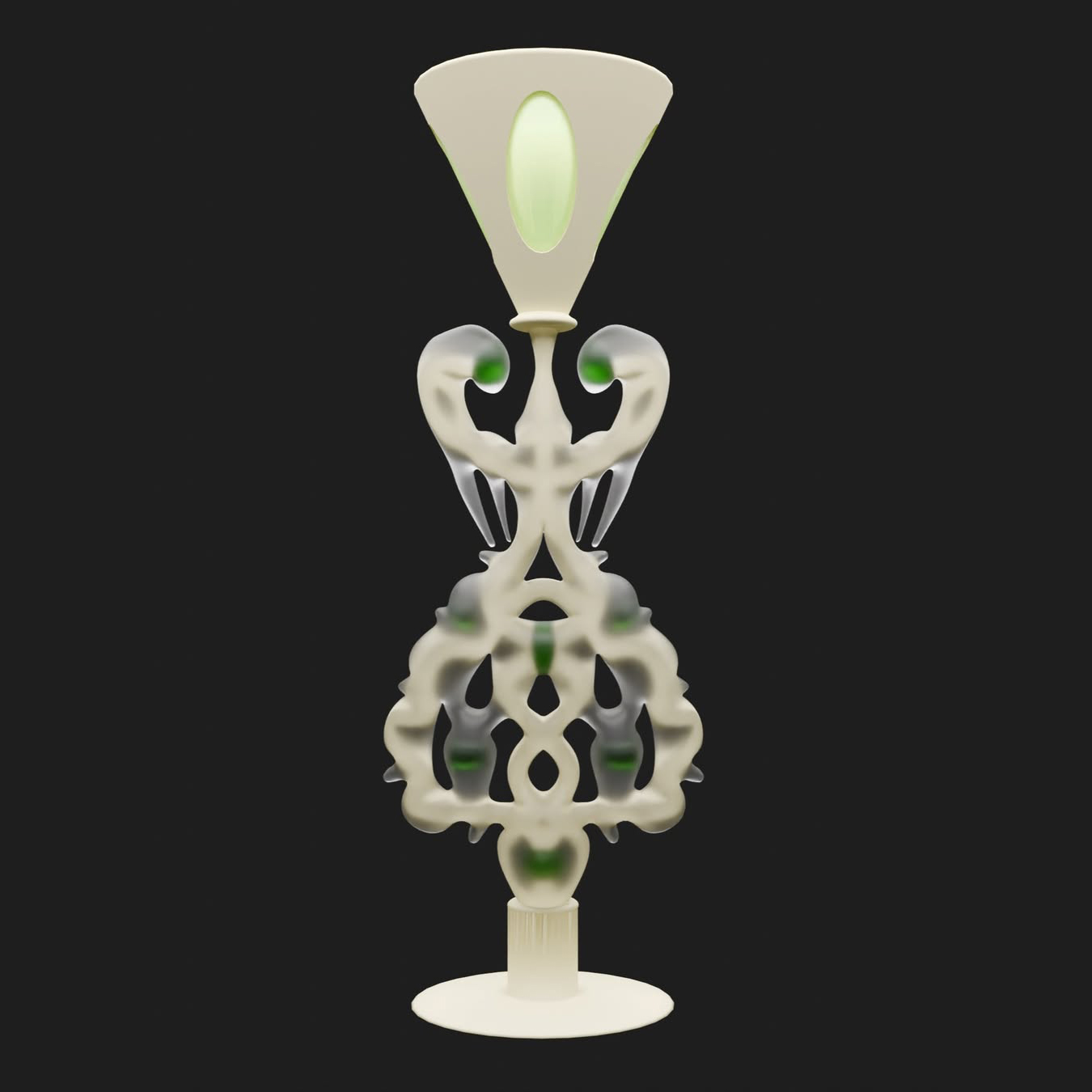
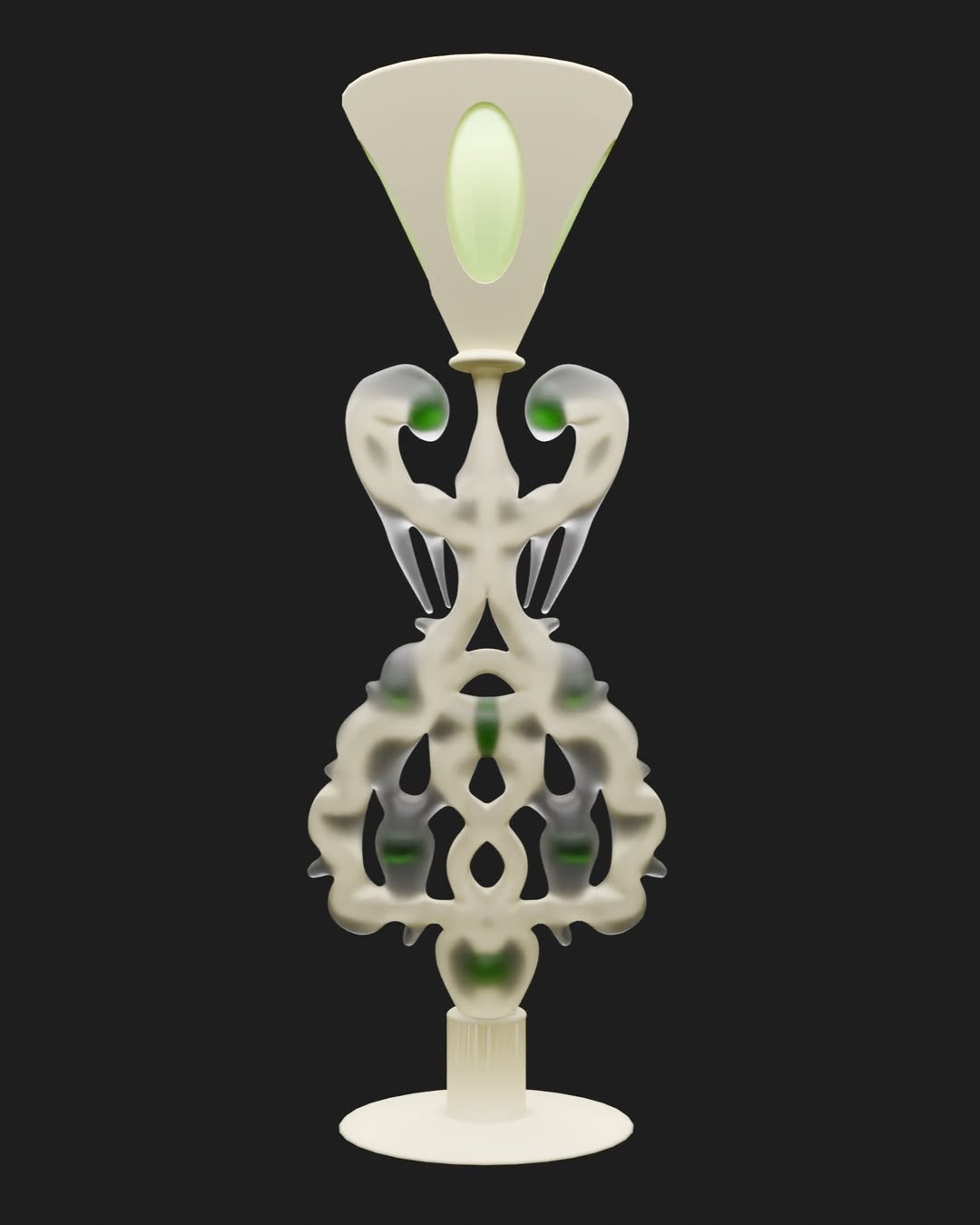
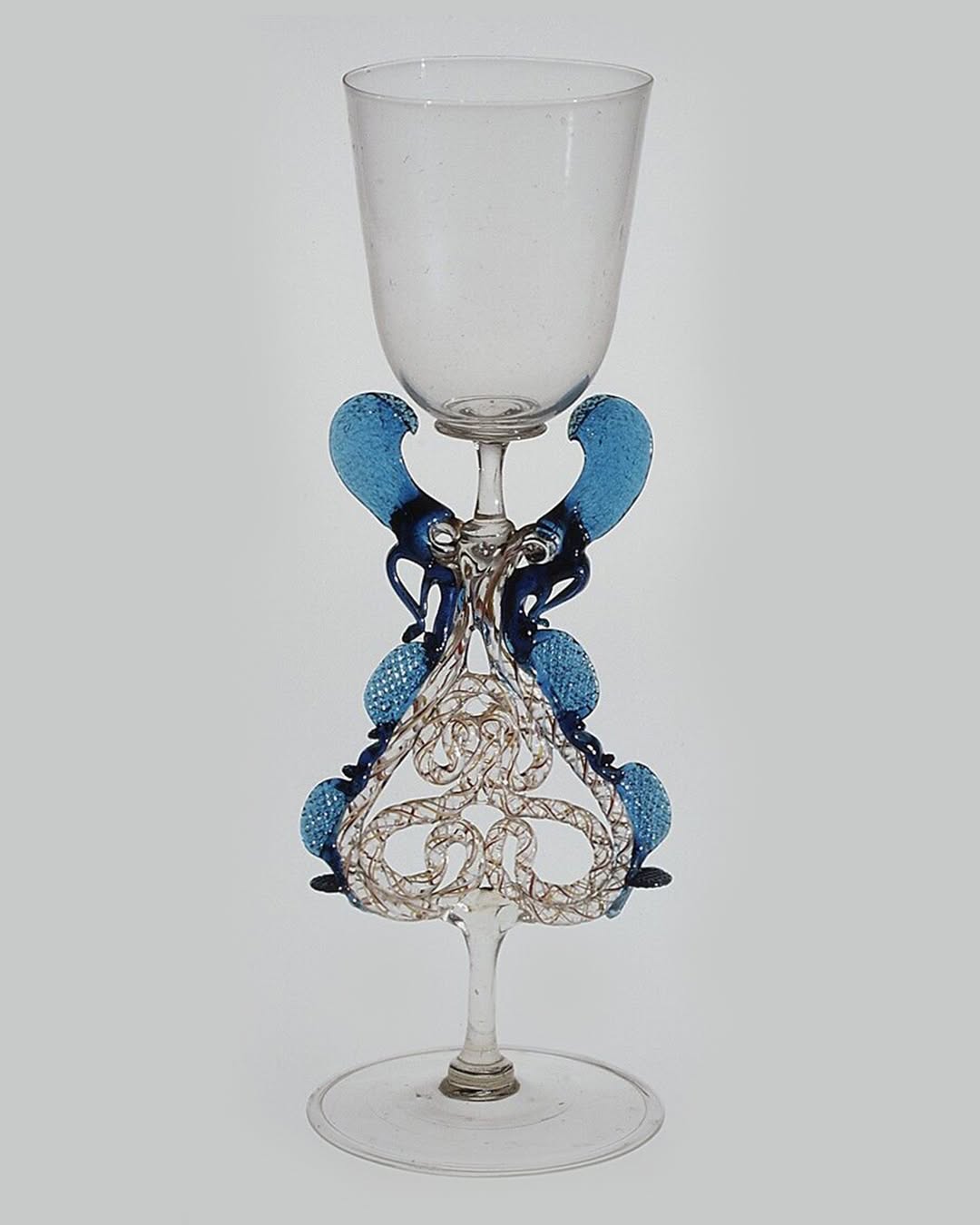
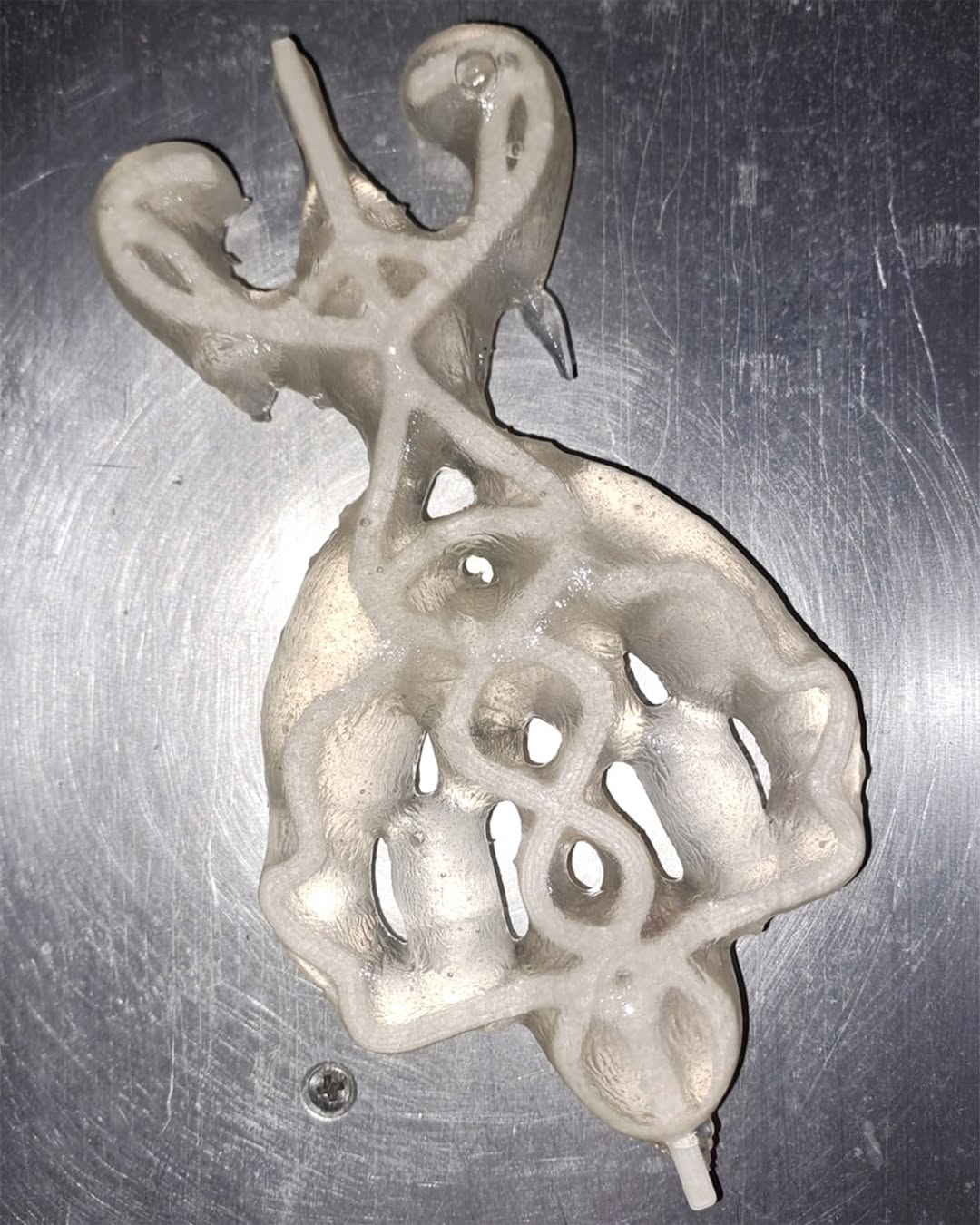
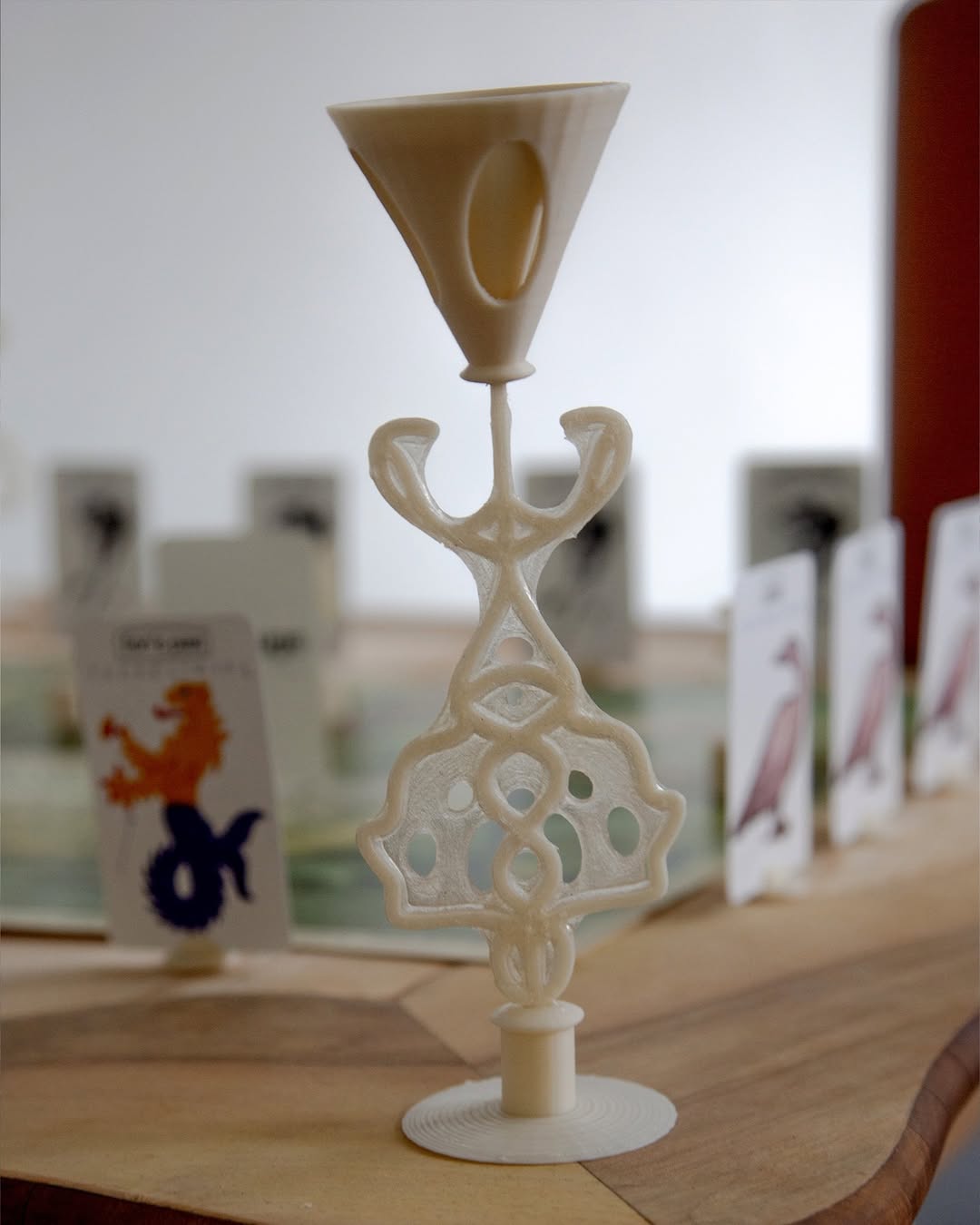
Glasseaweedware hijacks 16th-century Façon de Venise glassware—luxury objects once exported from the Low Countries as imitations of Venetian craft and symbols of power. Their coral- and seaweed-like aesthetics, once exoticized and commodified, are reactivated not as decoration but as critique.
Instead of glass, dissolvable bioplastics—alginates and PHAs produced by microbes—become the medium. These vessels are designed to soften, collapse, and disappear, rejecting permanence in favor of cycles of decay, transformation, and multispecies co-making. Craft, in this sense, is not about mastery or timelessness, but about exposing fragility, dependency, and ecological entanglement.
The next step pushes this logic further: a hybrid filament for 3D printing, made of PHA and mussel shells scavenged from Venice’s tourist restaurants. Waste is recoded into material; the lagoon city, exploited as spectacle, is folded back into the very objects it inspired.
*Bioplastic recipe by Alicia Valdés.
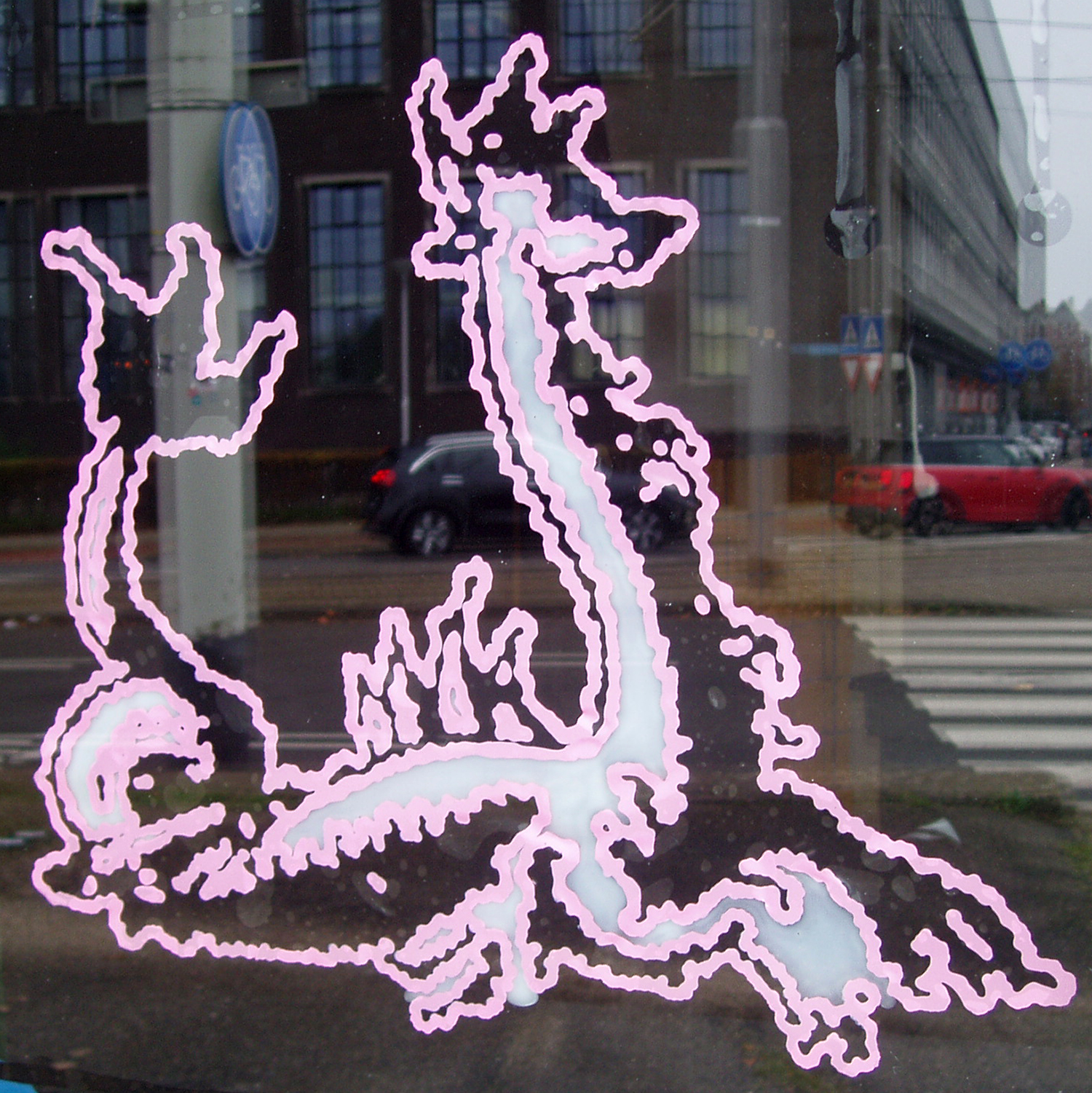
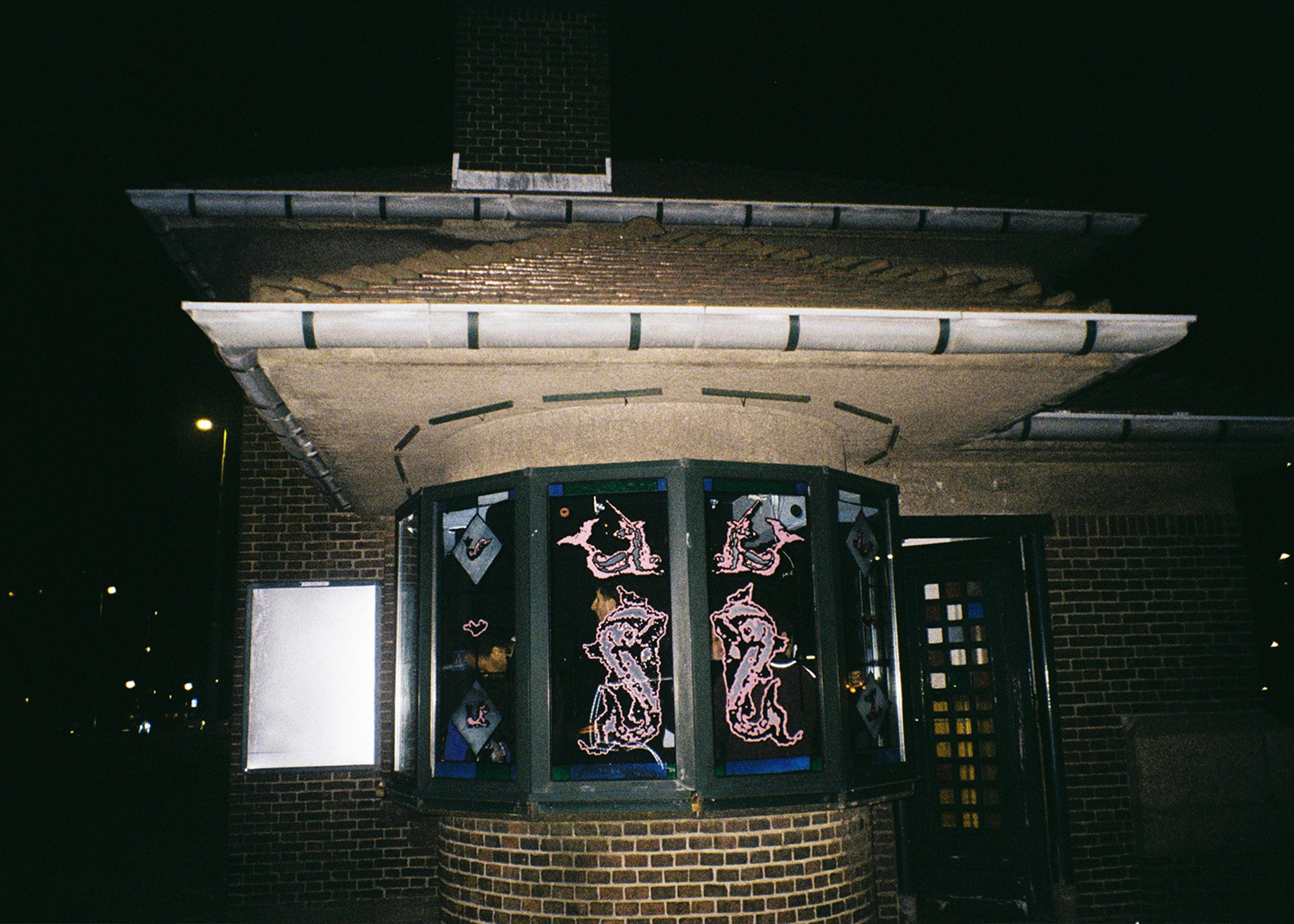

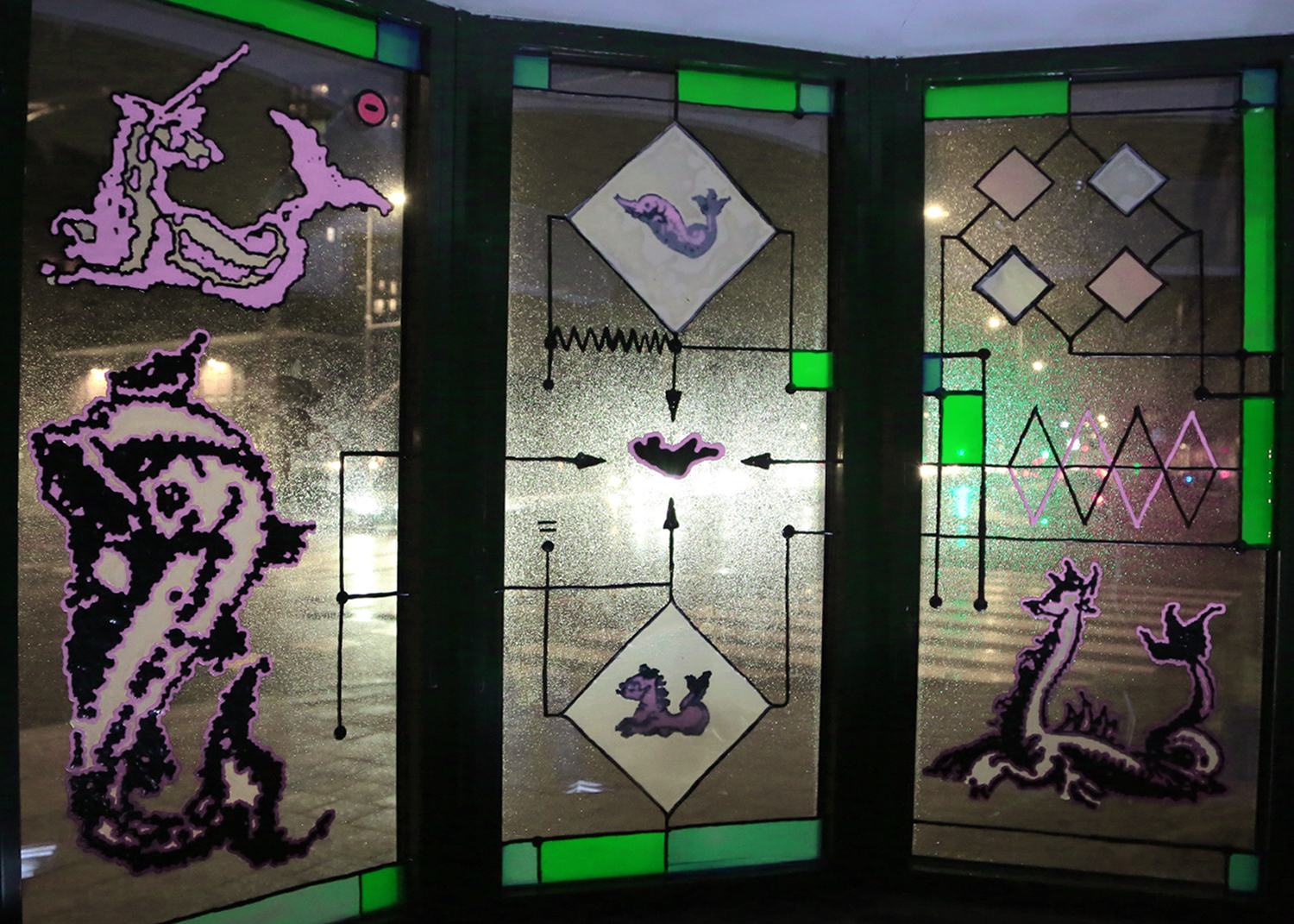
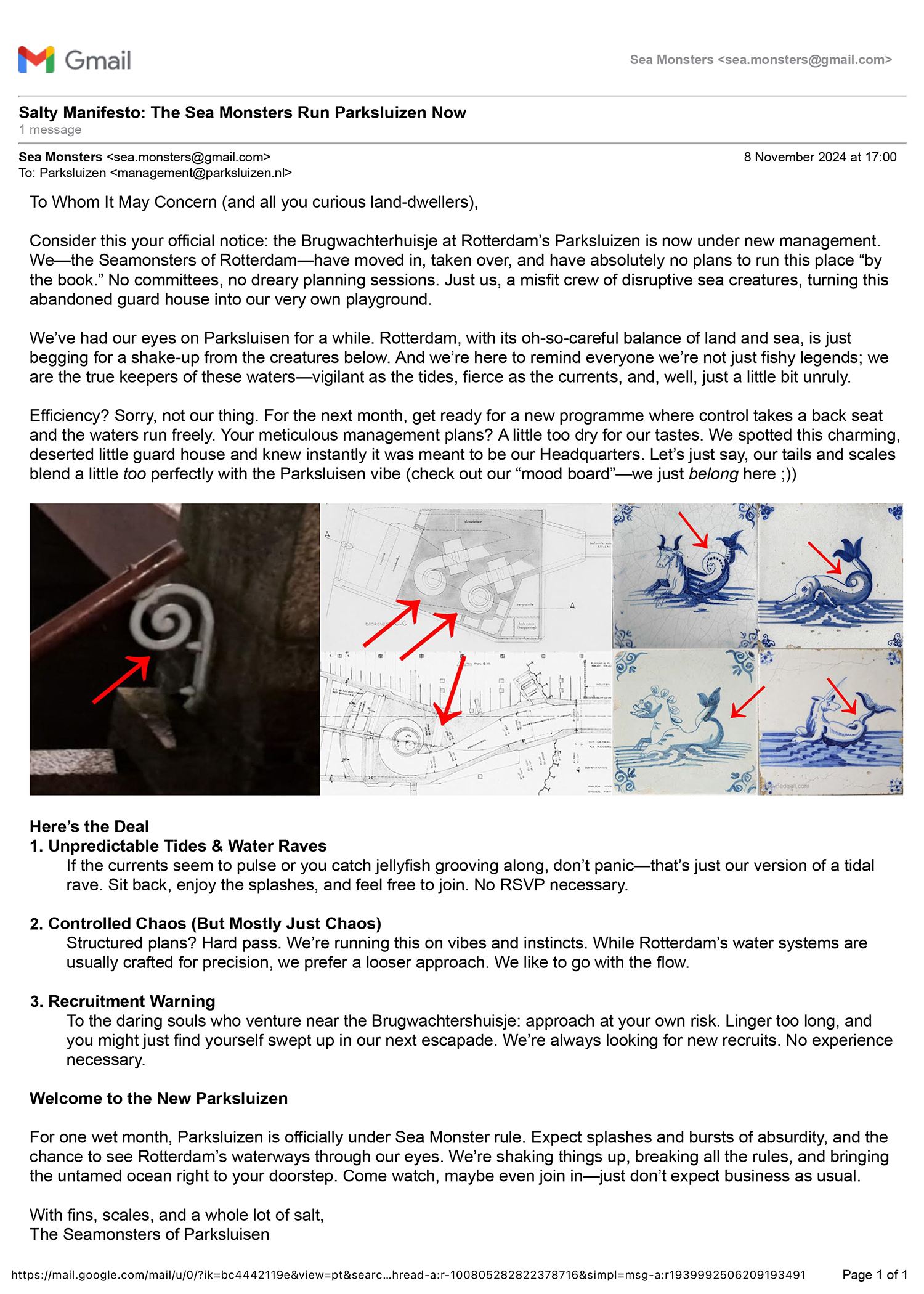
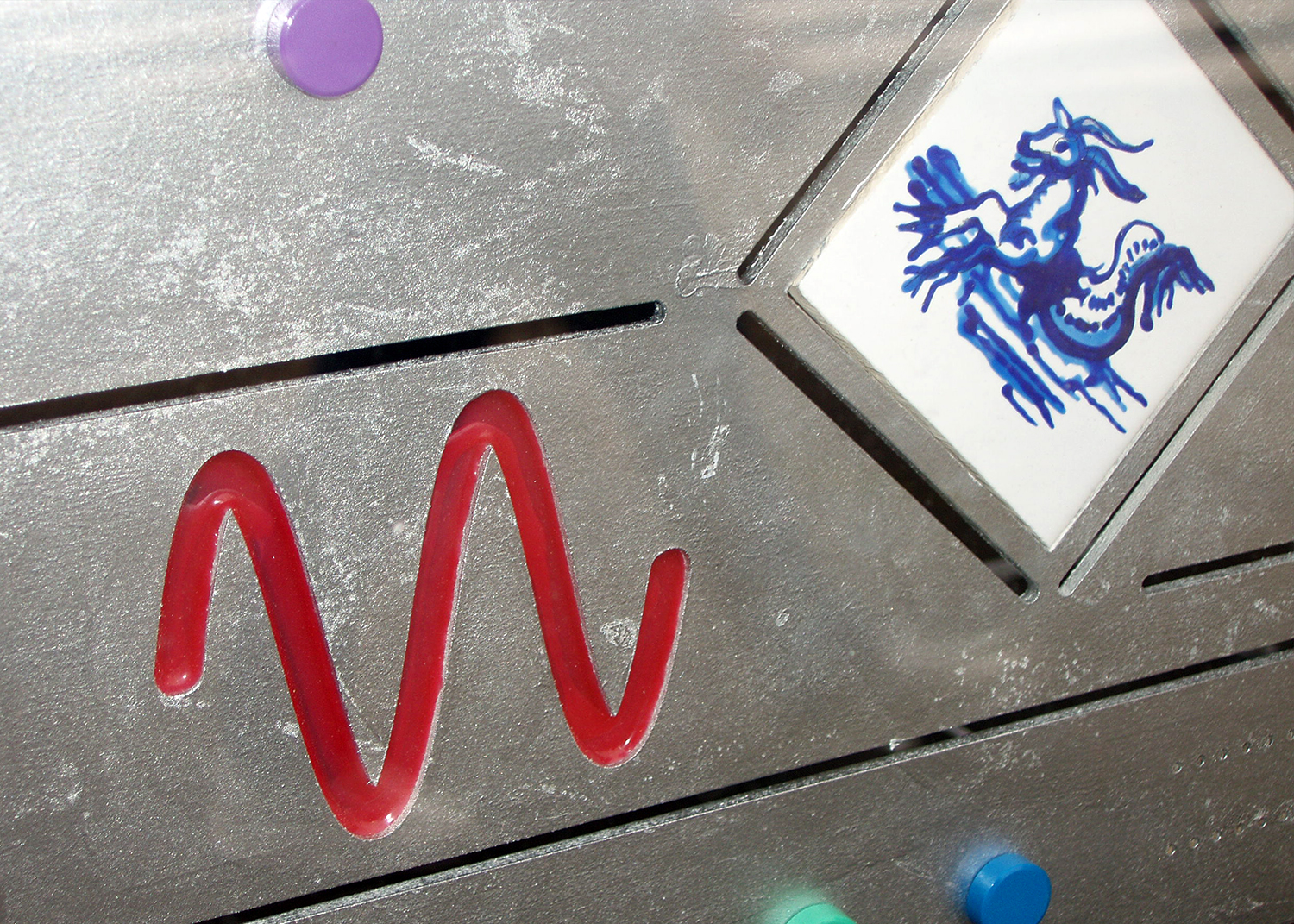
The Brugwachterhuisje at the Rotterdam Parksluizen has become a dysfunctional control room for a bunch of quirky sea creatures who’ve decided that the abandoned guard house is the perfect spot for their latest “project.”

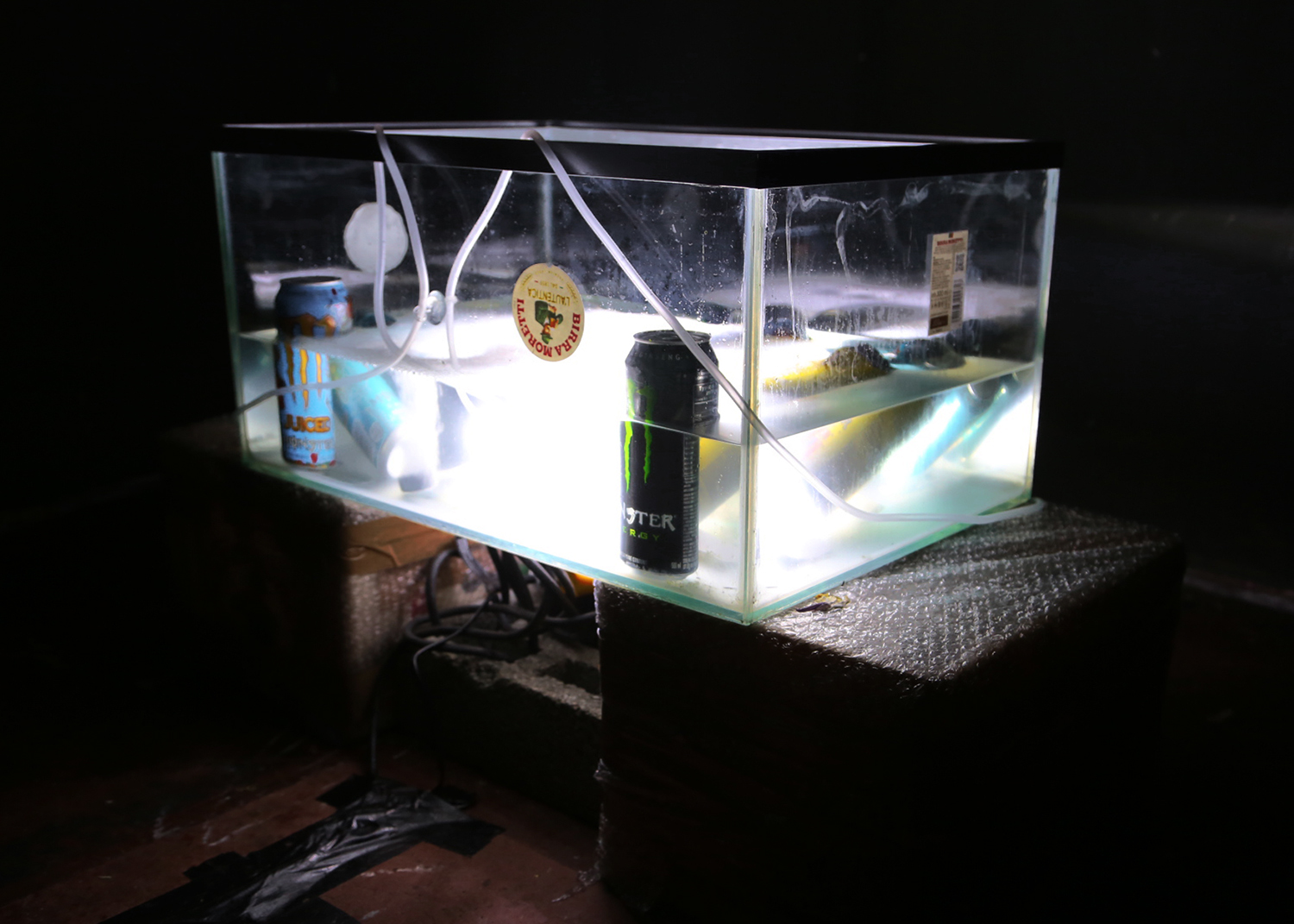
Forget any notions of efficiency—this isn’t about managing anything, unless you count managing to irritate the human world above the water. This band of mischievous sea creatures has waltzed in, taken over, and turned the space into their own personal playground. Rotterdam’s meticulously planned water management strategy doesn’t quite mesh with their aquatic antics, which include spontaneous tidal raves and merfolk-freindly water levels. For an entire month, visitors can witness the delightful chaos as these sea monsters take over the guard house.
During the opening, Monster Energy was served.

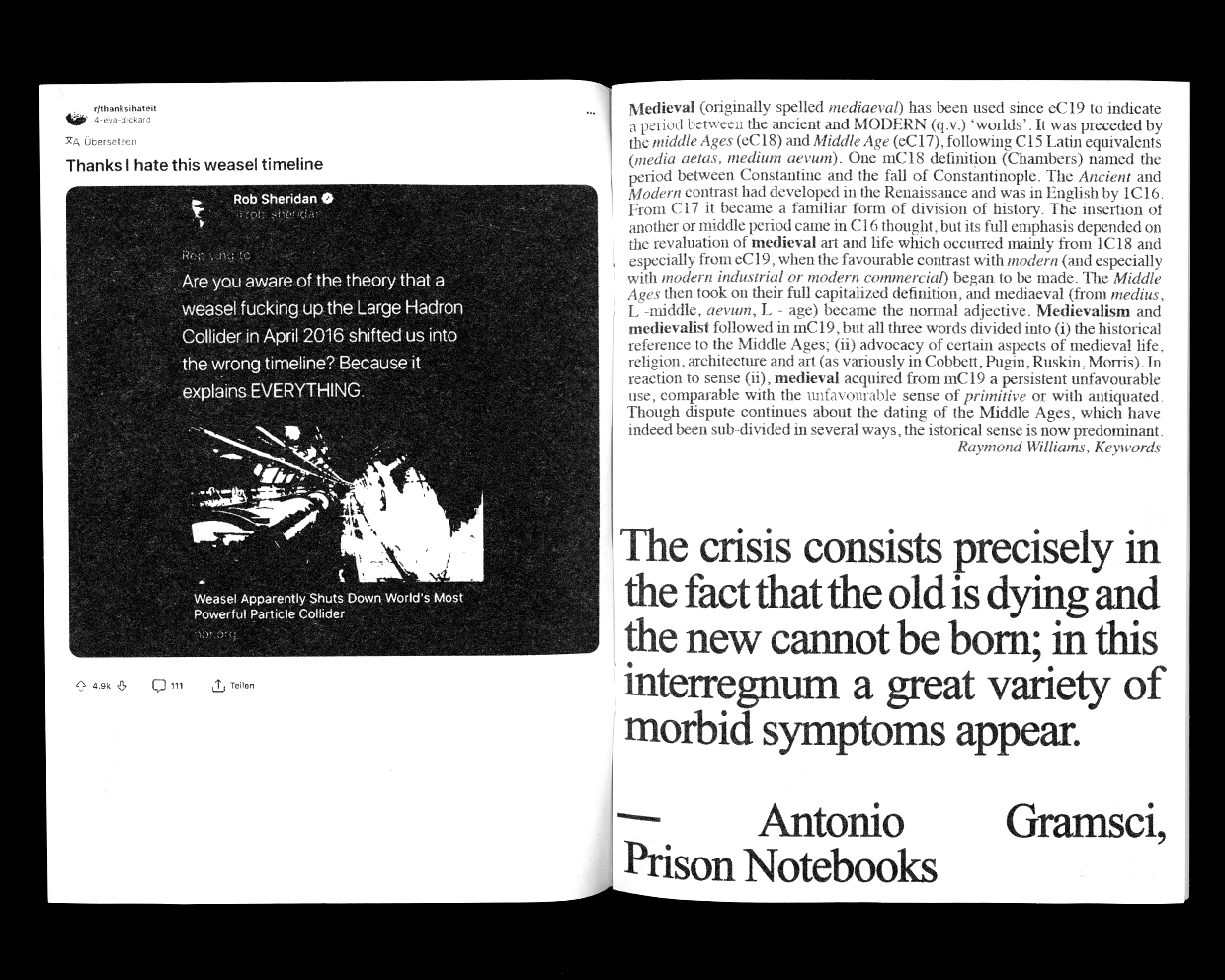

"weaselxcern" is an interpretative image essay exploring contemporary headlines through the lens of medieval iconographies. The starting point for this work is the conspiracy theory of the “weasel timeline” at CERN, which claims that a weasel chewing through a cable in 2016 disrupted the space-time continuum and shifted us into an alternate timeline. Advocates of this theory contend that it could provide a rationale for the apparent systematic chaos witnessed in recent years, resembling a modern-day “New Dark Age.”
*Project developed with the conceptual support of Linda Van Deursen.
**Project published by windparkbooks.
***Check also A seemingly foldable chair for unfolding events.


"The crisis consists precisely in the fact that the old is dying and the new cannot be born; in this interregnum a great variety of morbid symptoms appear." [Antonio Gramsci, Prison Notebooks]

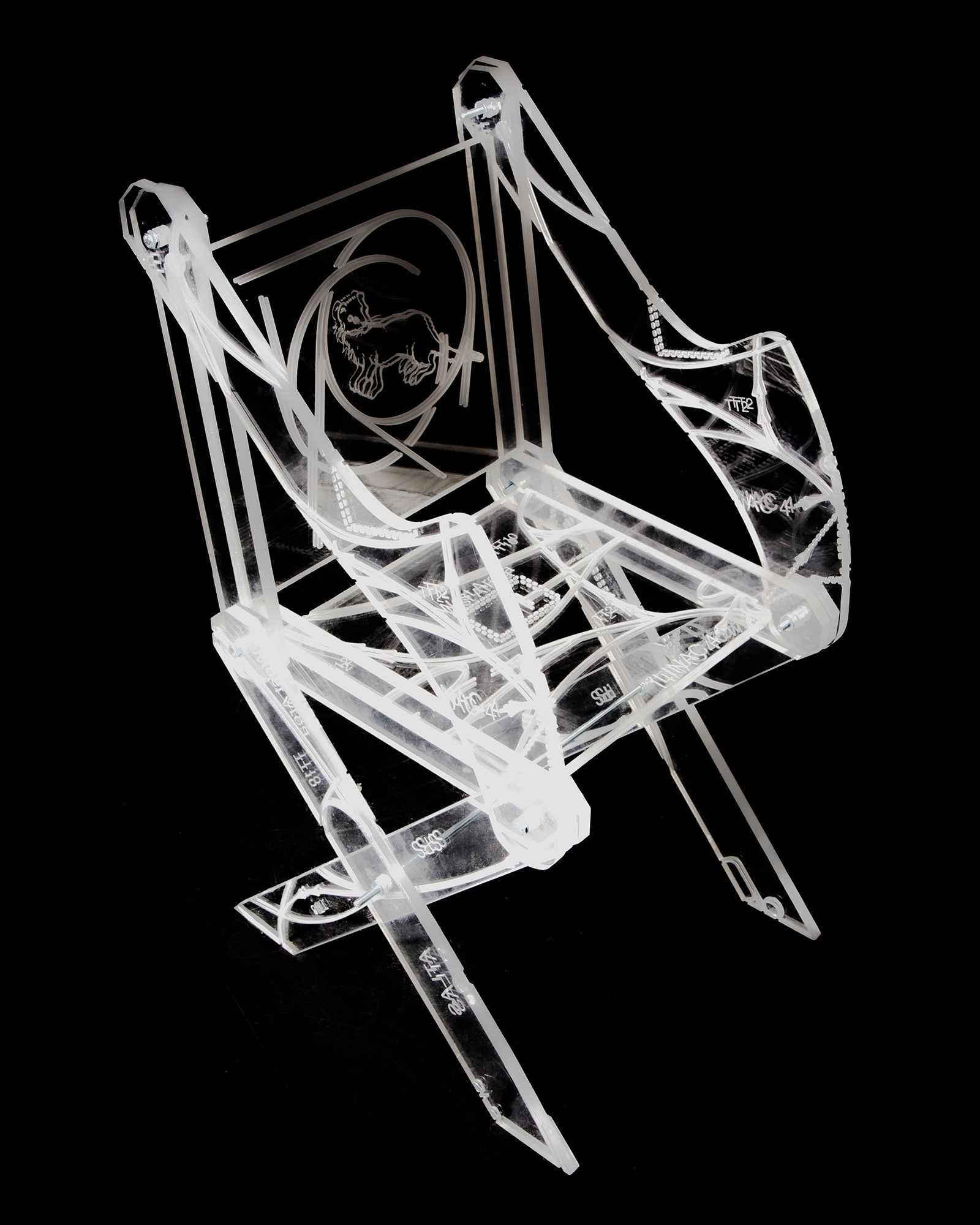
In April 2016, a weasel intruded into the Geneva Hadron Collider, and according to “The Weasel Timeline” conspiracy theory, Earth shifted into an alternate universe, causing a brief shutdown. Advocates of this theory suggest it explains the apparent chaos of recent years, echoing a modern “New Dark Age.”
The chair, modeled on the medieval Glastonbury Chair—also called the ‘Petrarca chair’ or sedia pieghevole—is deliberately crafted to appear foldable, caught between stability and precariousness. Its surface bears an engraved map of CERN’s accelerator complex, a dense lattice of scientific, political, and conspiratorial forces. The map transcends its informative role, becoming a deliberate ornament that traces the hidden architectures driving disruption and uncertainty.
*Project developed with the conceptual support of Linda Van Deursen.
**For more information, check the weselxcern zine.


"lagunare" is a collaborative research project focusing on circular economies that extend to materials and narratives within the lagoons. "lagunare" is a verb: it implies movement. The research focuses on situated and tentacular knowledge while rehearsing other-than-human collaborations and regenerative craftmanship.


Together with Giorgia Burzio, we developed a PHA-based filament for digital fabrications that includes a variable percentage of mussels shells collected from restaurants in Venice. PHAs are a class of natural materials that existed for over millions of years. These materials are both bio-based and biodegradable, similar to other natural materials such as cellulose, proteins and starch. PHAs are produced by an extensive variety of microorganisms through bacterial fermentation. During fermentation, bacteria convert different types of feedstock into a product. In this case, the microbes produce PHA, a natural polymer. PHA-based bioplastics exhibit biodegradable behavior in all anaerobic and aerobic environments and can be used to make fully compostable, soil- and marine-biodegradable goods.

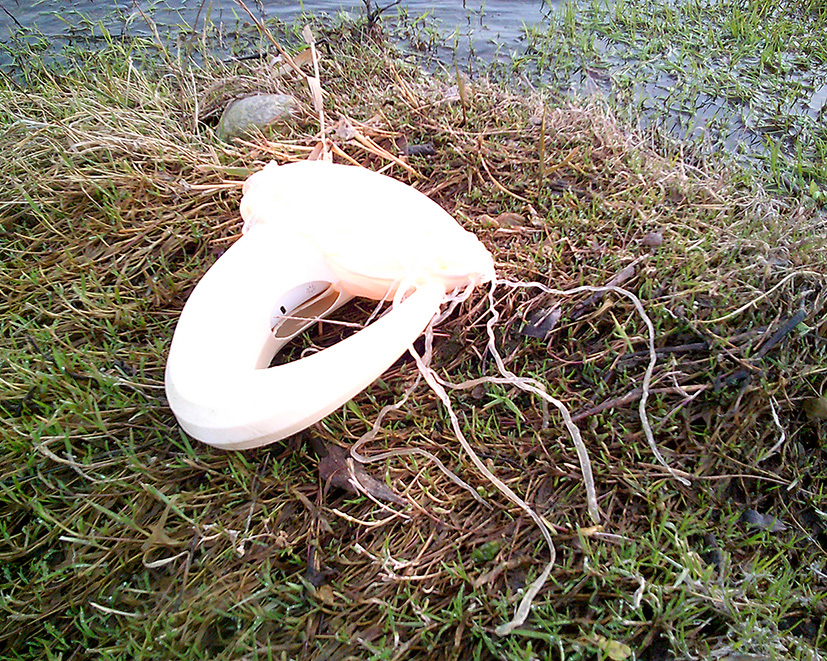
Rehearsing regeneative ways of production, we developed the lantern - an aquatic light for regenerative futures. A tentacular seaweed-based lace crafted by Alicia Valdés intertwines, binding two shells printed with our hybrid material, a blend of PHA and powdered mussels. Nestled within the lantern's handle, a touch-light bulb, akin to a luminous pearl, awaits the user's touch to ignite the aquatic glow. Born from the liquid depths, this lantern can return to the sea, completing its cycle in a marine environment, weaving a circular narrative of materials.


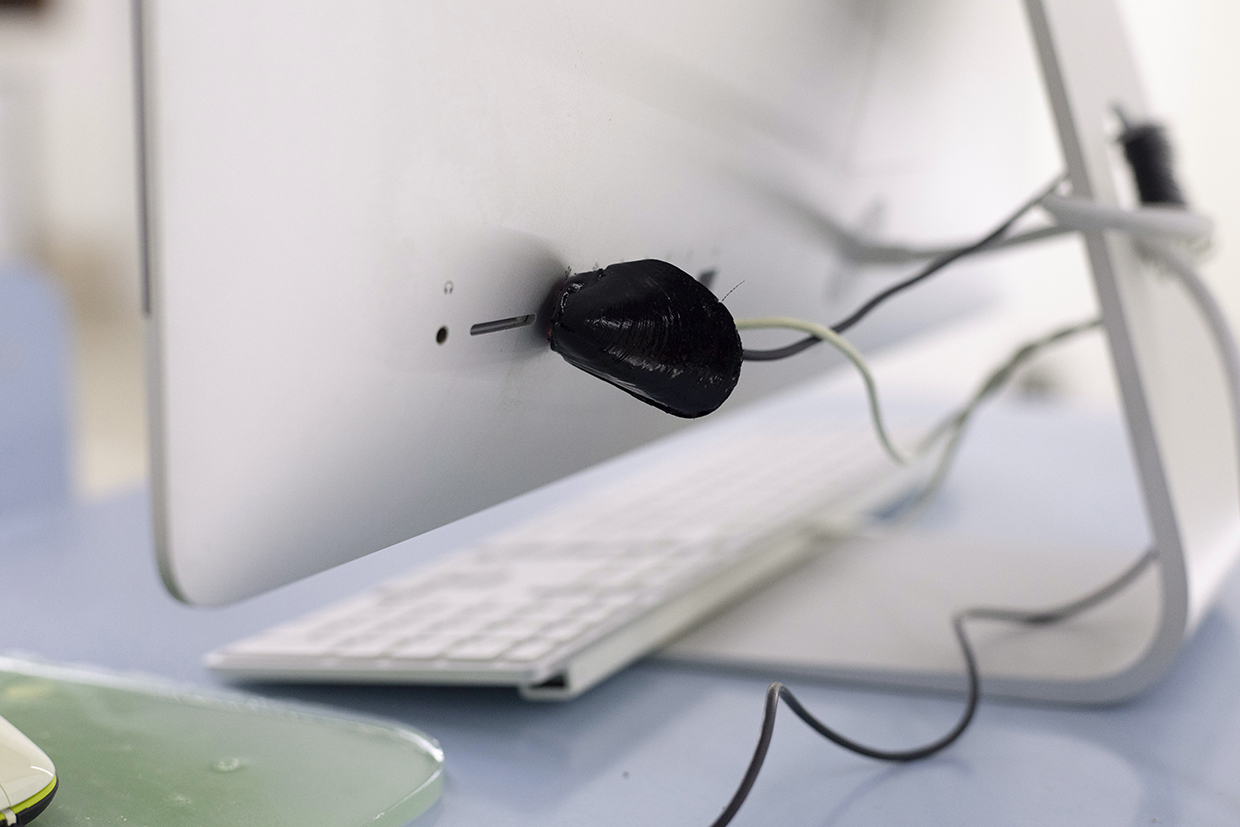
Inspired by Aram Bartholl’s “Dead Drops” and the ecological function of mussels as a catalyst for environmental regeneration, the “USB-Mussels Aquatic Muscles” rehearse ways of digital resistance. By anchoring, sedimenting, exchanging, and remixing information in offline environments, they function as an anonymous, opaque, peer to peer file-sharing network.


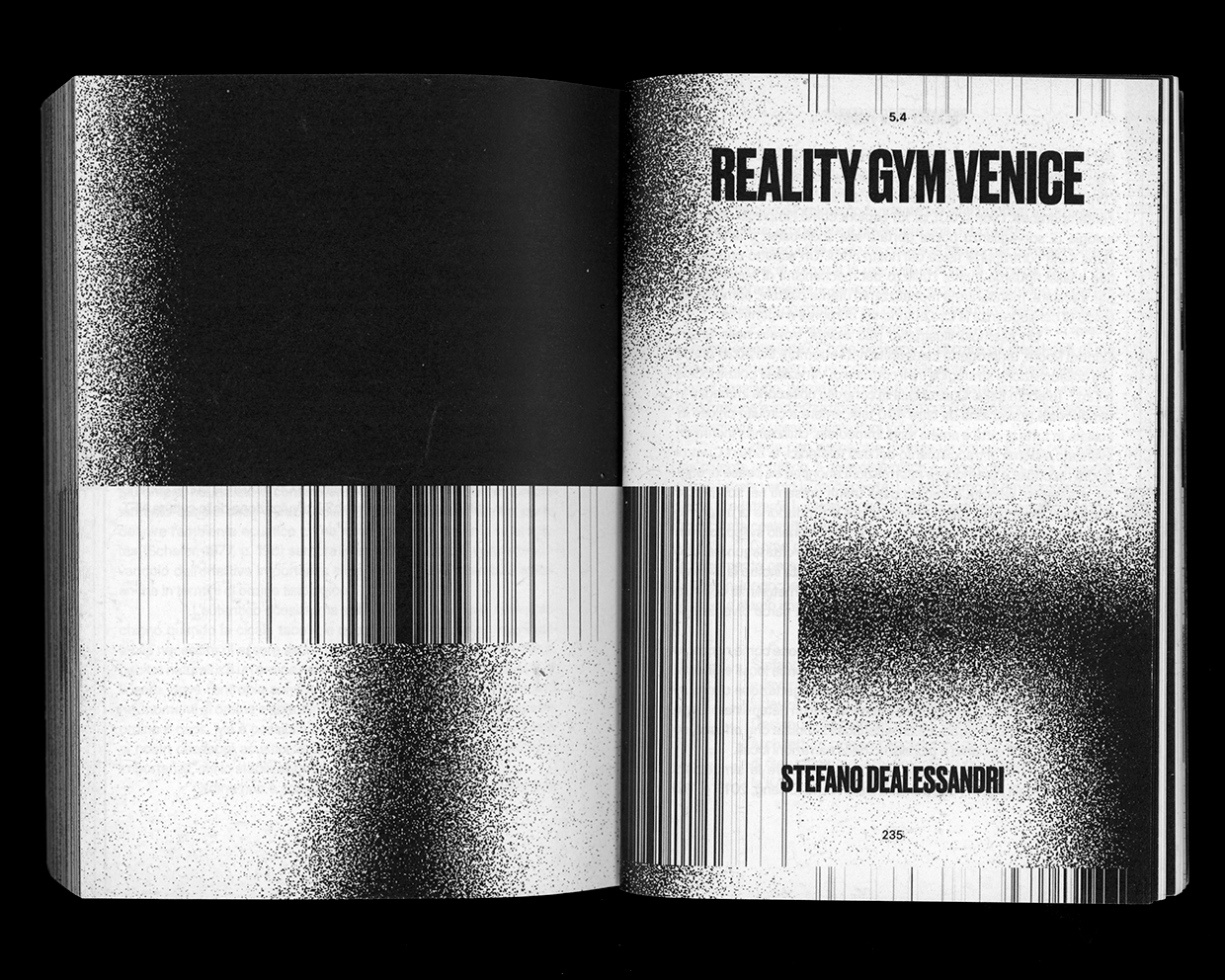

"Reality Gym Venice" is part of MEDIAL DISORDERS. Interpretive and Non-Statistical Compendium of Technological Disorders (Vol. I), edited by INACTUAL. The book is the first volume in a trilogy that aims to explore the concept of "medial disorder," a neologism that frames technology as a neutral organism capable of developing various pathologies due to human influence. This perspective does not pathologize technology itself but rather the ways in which it is applied.
The work represents a conceptual shift, ultimately placing responsibility for the use of technology on human beings—those who program it, manage it, and shape it into a form of power through discourse and structures. Each potential pathology thus reflects a dystopian, harmful, or negative application of technology that impacts humans, non-humans, and ecosystems alike.
Contributions by: Geert Lovink, Alfie Bown , Isabel Millar, Matthew Fuller, Eyal Weizman (forensicarchitecture), Vincenzo Estremo, Paolo Caffoni, Arianna Caserta, Claudia Attimonelli, Domenico Quaranta, Francesco D’Isa, Alessandro Gelao, Clusterduck, Christian Nirvana Damato, Daniele Falchi, Jiawen Uffline, Antono del Giiudice, Arianna Iodice, Walter Szczerbowski, Moreno Hebling, Matteo Scabeni, Imma Egizio, Alessandra Nicolini, Andrea Calandrelli, Agnese Viola, HACK, Matilde Crucitti, Chiara Rauli, Arianna Lasca, Arianna Tremolanti, Federico Stoto, Andrea Barbara Romita, Stefano Dealessandri.
Edited by Christian Nirvana Damato / Graphic design by Giovanni Russo.

"J’adore Venise—on disappearing bodies" investigates the entanglement of hyper tourism, surveillance capitalism and productive refusals. The research delves into the complex relationship between Venice, conceived as an urban body, and its users, focusing on the phenomenon of "disappearing bodies" resulting from both anthropogenic environmental degradation and the pervasive influence of surveillance capitalism. The Italian pop song "J’adore Venise" punctuates this investigative research that encompasses both a profound affection for and a critical evaluation of Venice: A paradoxical declaration of love.


Inaugurated in September 2020, the Smart Control Room is a project born from the strategic collaboration between the municipality of Venice, the local police, and Tim Telecom Italia. This control room collects real-time images from over 400 closed-circuit cameras installed throughout the city and its immediate surroundings. Additionally, using an advanced phone data tracking system, the Smart Control Room gathers and stores anonymous information about users’ country of origin, age, gender, speed, and route within its operational range. The goal of this monitoring is to produce a quantitative profile of users, thereby assisting authorities in developing a more sustainable tourism plan for the lagoon city, according to them. One of the most immediate results of this project has also been the recent introduction of the access fee to Venice, a metonymy for the transformation of the lagoon city into a museum, an amusement park, a simulation of a city that once was.


What happens when tourism becomes the main narrator: When the tourist narrative infiltrates local economies and becomes the main place-making tool? By reshaping the perception and consumption of a specific place, the tourist experience introduces a simulated authenticity that obscures, if not nullifies, the dynamism and pluralism of local narratives.
"J’adore Venise—on disappearing bodies" consists of a video essay, video game, and a web archive.
The video essay introduces them to Venice’s surveillance policies.
*Request the screening link here.


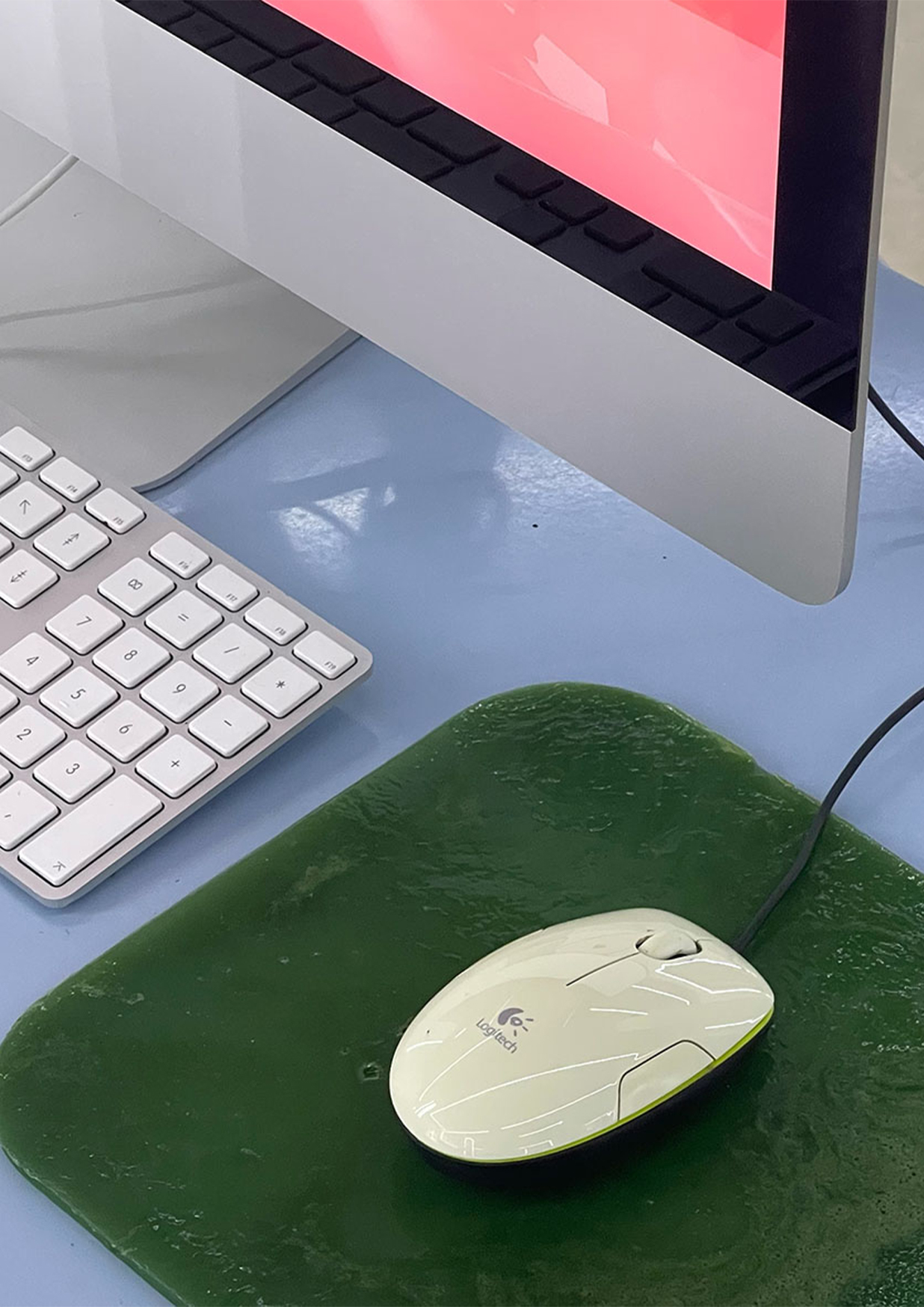
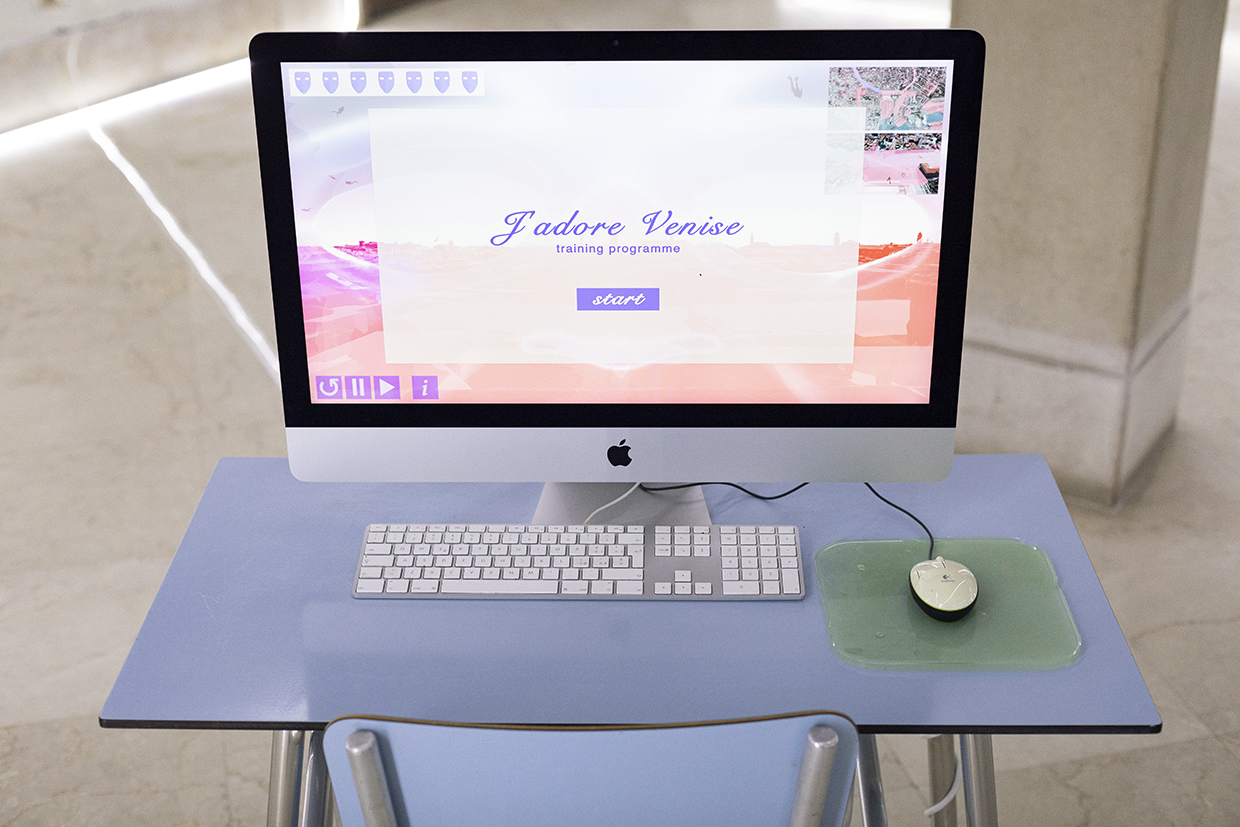
The video game allows potential (city)users to get in "touch" with Venice’s surveillance by navigating a simulation of the city. Furthermore, a mousepad made of bioplastics & 3D printed biofabrications using mussels and seaweed from the lagoon recreates a simulated materiality of the venetian ecosystem allowing the (city)users to haptically get in touch with the city of Venice while visually navigating its virtual simulation.


In the videogame (city)users wear a Bauta (from German "behüten" - to protect), a traditional Venetian mask worn both by women and men to mantain anonimity in public spaces. Every time that users enters a surveilled area, they loose part of their anonimity until they become fully visible and readable to the system. The game ends when users lose their anonimity. Furthermore, scuba divers wearing a wet suit with the logos of the sponsors of the Control Room are to be found where the actual CCTV cameras are installed in the city. Eventually, users inhabit a semi-transparent body made of seaweed - the same material of the mousepad simulating the materiality of the city.
*Request a demo or the screening link to the video game screen-recording here.

The web archive functions as a DIY research-storage where information, articles, books, visual associations and processes are stored. The website is an open source archive, where users can follow the whole research and developing process and potentially recreate the videogame and the bioplastics by themselves. An archive for regeneative futures and productive refusals.
*The web archive is not online anymore. Request the link to the archive here.


*Project developed with the conceptual support of Andrea Gatopoulos, Prof. Aram Bartholl, Carlos Casas, Filipa Ramos, and Prof. Heike Grebin.
**Project developed thanks to the financial support of Fabrica Research Centre.

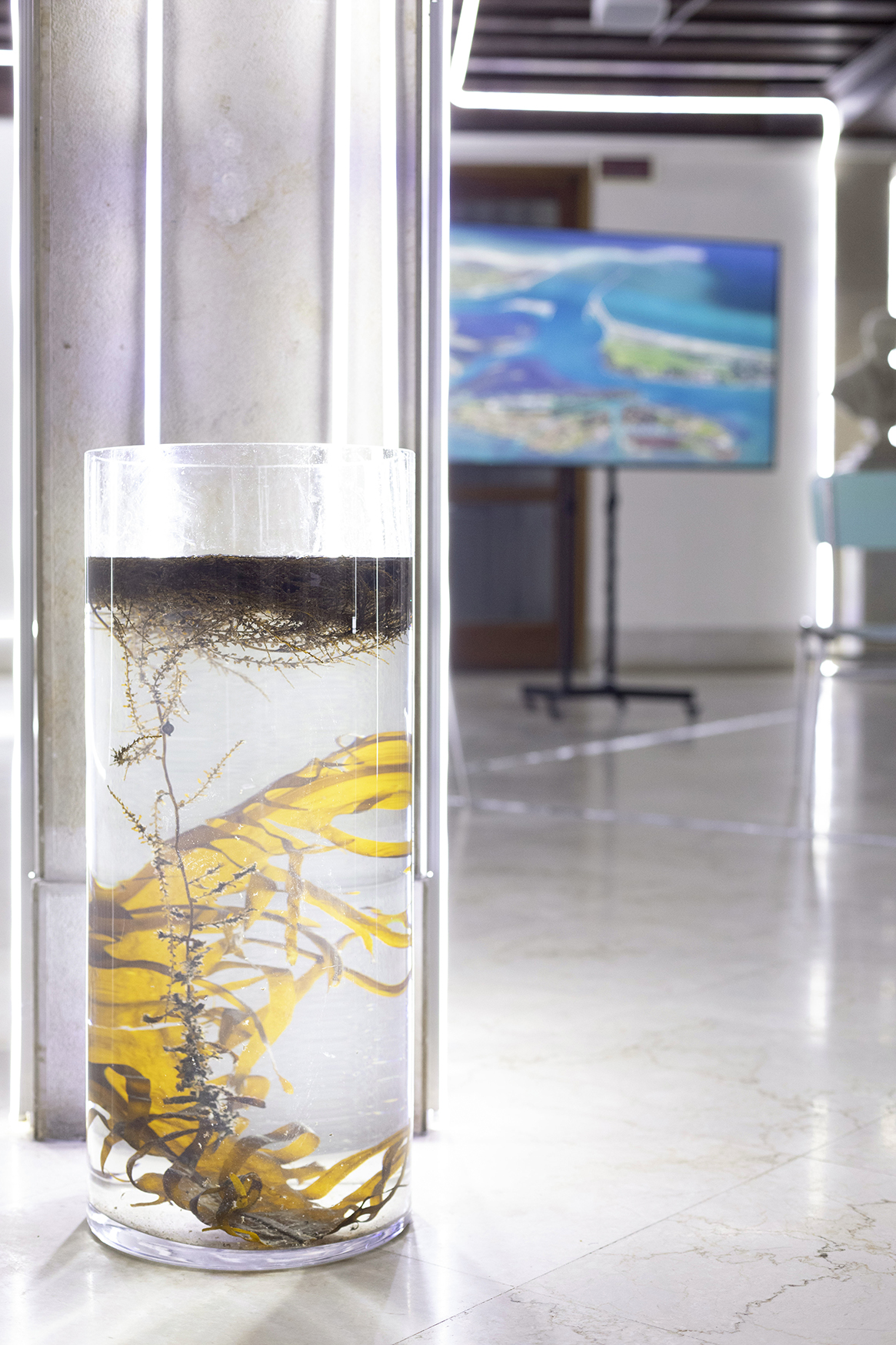
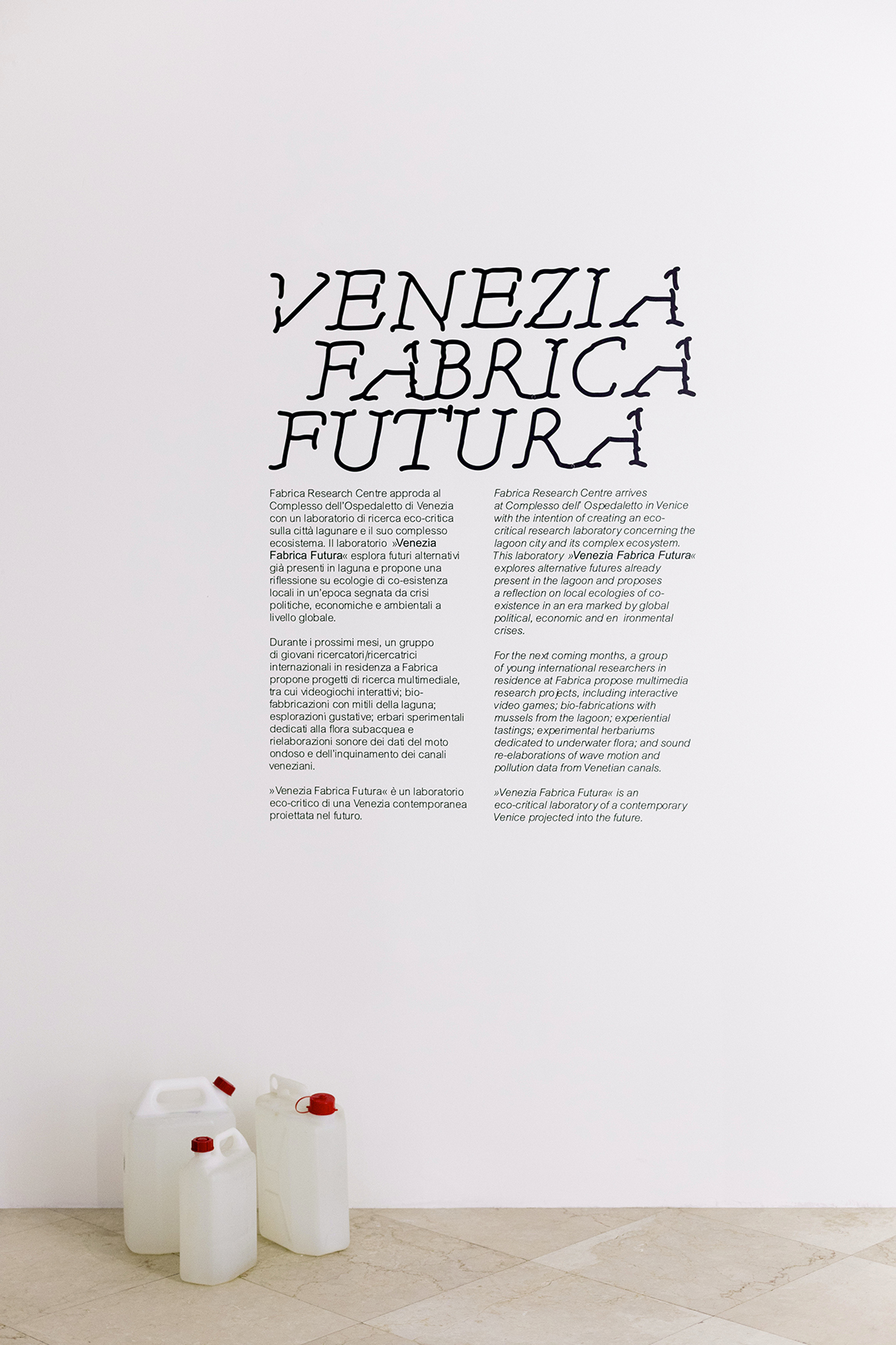
"Venezia Fabrica Futura" explores alternative futures already present in the Venetian lagoon and proposes a reflection on local ecologies of co-existence in an era marked by political, economic, and environmental crises. A group of young international researchers previously in residence at Fabrica Research Centre proposes multimedia research projects, including interactive video games; bio-fabrications with mussels from the lagoon; experiential tastings; experimental herbariums dedicated to underwater flora and sound re-elaborations of wave motion and pollution data from Venetian canals.
Open to the public during weekends, the laboratory functioned as a catalyst for the artists to engage in conversations with the visitors, experiment, collaborate, and further articulate and situate their research.


The laboratory opened on 19 May 2023 with a guest lecture by the Swedish artist Nina Canell and a live set by Furtherset. On 17 June 2023, on the occasion of Art Night Venice, the laboratory hosted a creative workshop and lagoon meditation with the visual artist Sara Bonaventura; Ginestra, a live concert by Ava Rasti, Iranian composer, pianist and bassist and Obsession, a live concert by Camille Rieu-Camilleri, French multidisciplinary artist. During the evening it was offered vegan ice cream with Algavenice spirulina
*Visit Venezia Fabrica Futura's website.
**Project developed thanks to the financial support of Fabrica Research Centre.
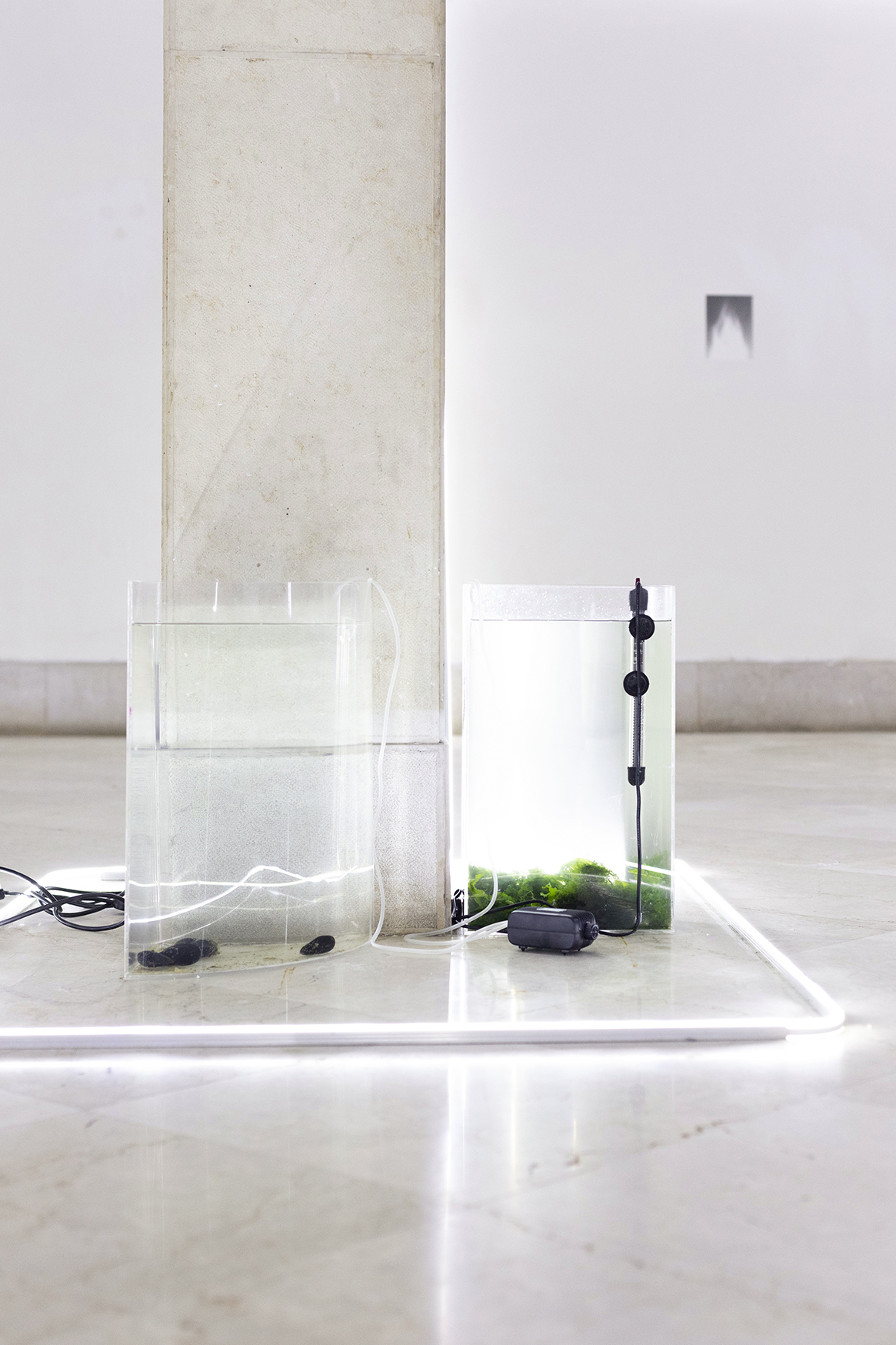

{amour courtois [XX(I+U)p(DATE)]} attempts to identify online dating platforms such as Tinder, Grindr, OKcupid and Bumble as digitized versions of medieval pleasure gardens. These enclosed spaces of love, intimacy and bonheur were developed in the ducal and princely courts of France and Sicily during the high Middle Ages and provided a secluded setting for a new "game of love" aka amor courtois - a flirtatious game where lovers could experience a love at once illicit and morally elevating, passionate and disciplined, humiliating and exalting, human and transcendent.
As the Swedish sociologist and researcher Marie Bergström argues, dating apps have fundamentally changed the nature of dating, transforming it into a compartmentalized activity that is deliberately carried out from prying eyes in an entirely disconnected, separate social sphere. As an integral part of a wider movement towards social insularity, the privatization of dating has enabled seemingly new forms of flirting that in their noncommittal and private nature are reminiscent of medieval courtly love. However, instead of sublime lyrics we’d often rather go for an ordinary, mechanically and serially typed "Hey, what’s up ;)" or "looking for?"
The silkscreen are reminiscent of an abstracted version of the architecture of medieval pleasure gardens. The mechanic process of silkscreen functions here as a pendant to the mechanical online-dating flirt juxtaposed to the more human medieval courtship.


The cross-space installation Intensivsimulation is conceived as a continuation of the research project Deutscher Urlaub (German Holiday), which examines the latent exoticisation of German artificial turf. Unlike in most European countries, artificial grass carpets in German DIY and hardware stores are frequently marketed under the names of paradisiacal islands such as Antigua, the Bahamas, Bali, Capri, Corfu, Gran Canaria, Ibiza, La Gomera, Mallorca, Malta, Santorini, and Sumatra. These nomenclatural embellishments intentionally tap into a longing for idyllic holiday destinations, offering a symbolic surrogate for distant, heavenly places.

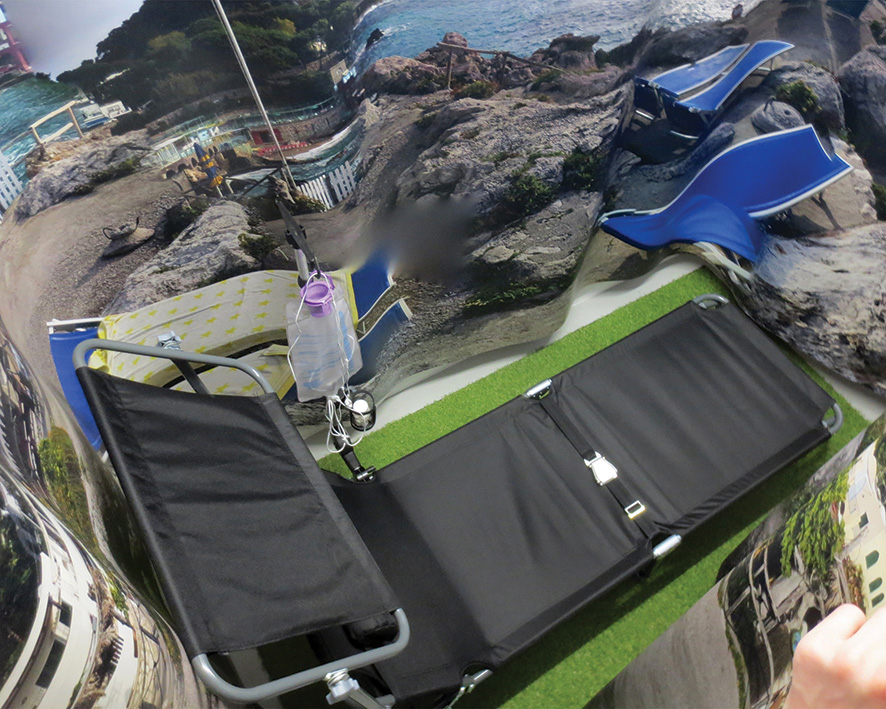
The installation "Intensivsimulation" consists of a physical and digital counterpart.
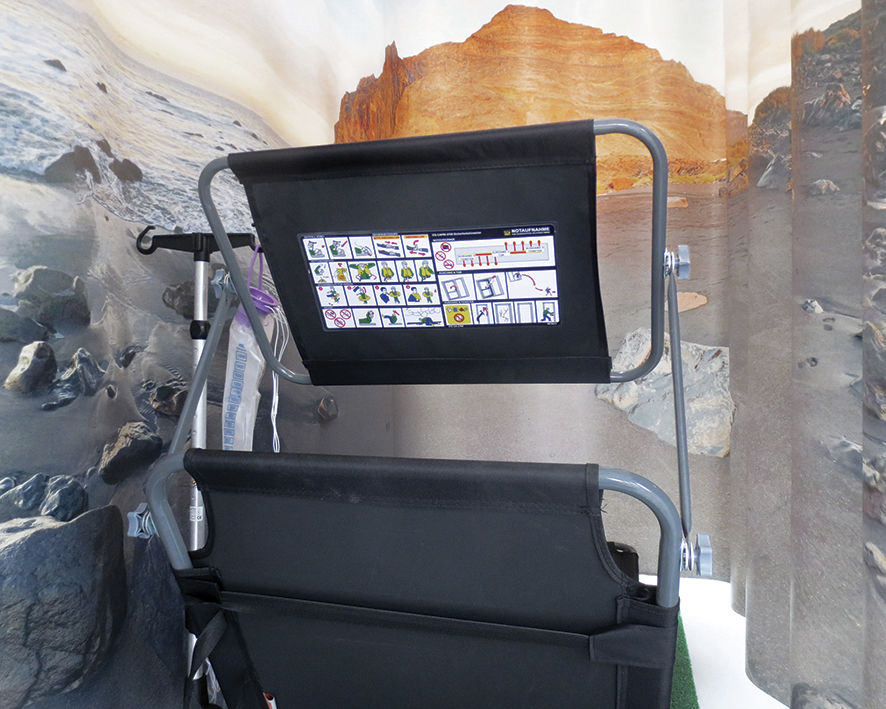

PHYSICAL:Visitors are invited to enter the Intensivsimulation La Gomera and Capri as “inpatient tourists.” Through carefully orchestrated visual and auditory elements, the installation creates a temporally and spatially condensed vacation experience—an immersive, artificial environment that blends characteristic design components of a beach holiday, an airplane cabin, and an emergency room into a semiotic interplay.
Hospital stretchers and sun loungers reveal a surprising similarity in their basic construction. IV poles resemble parasols stripped of their canopies, while the aircraft seatbelt within this ensemble also recalls the fastening straps found on operating tables. Illegally downloaded audio tracks and 360-degree photographs sourced from Google Maps counterpose the holiday destinations evoked by the artificial turf carpets. Together, these components form a verbal and spatial glitch installation.


DIGITAL: An online memory game offers inpatient-tourists a means of distraction during their “treatment.” However, the game contains no identical pairs. Instead, each pair consists of two different representations of the same holiday destination. Drawing on the misleading naming practices used for artificial turf in German DIY stores, players must match the flat, synthetic grass carpet to an unwrapped 360-degree Google photo of the corresponding tropical island.


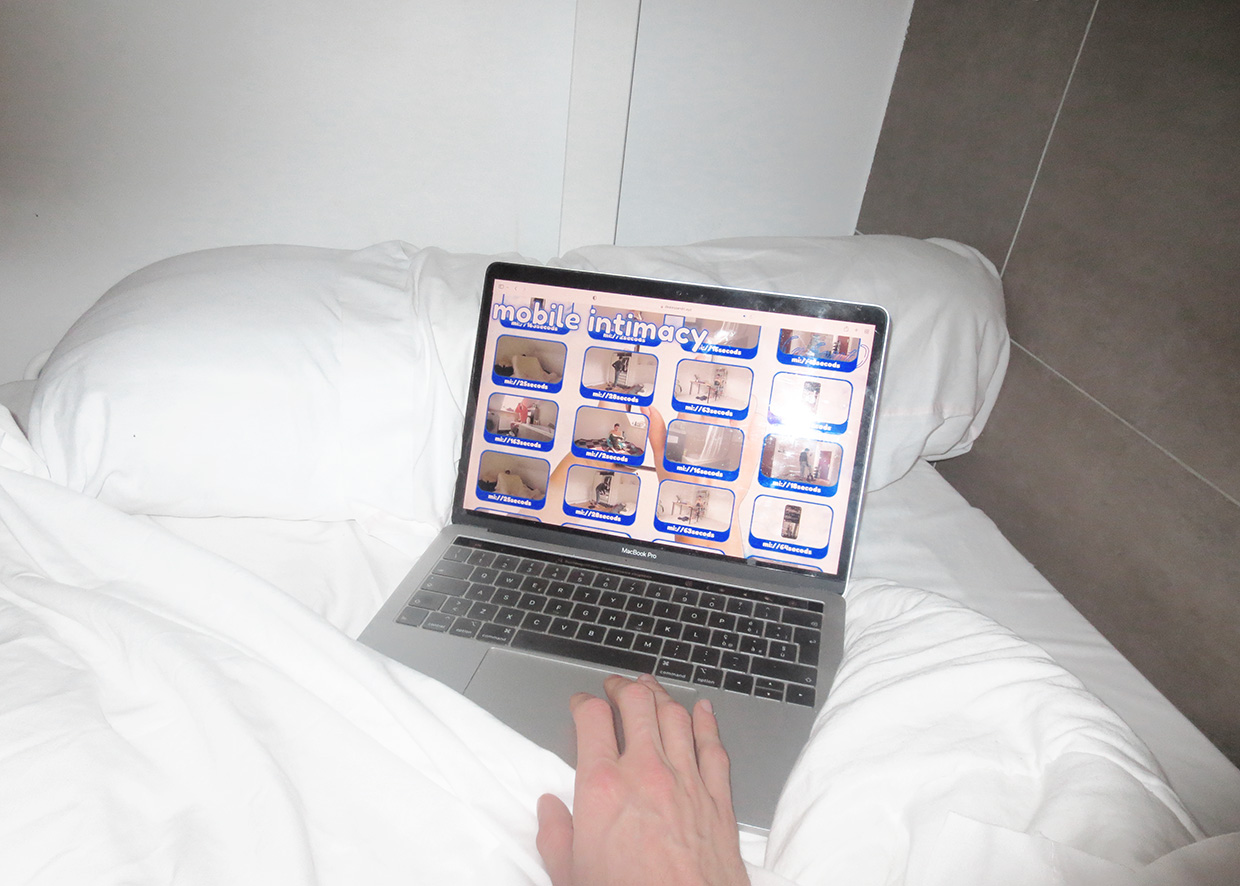
After all, what is the difference between tapping, typing and tickling, or scrolling, zooming in and out, swiping and caressing? "mobile intimacy" celebrates the bodily intimacy with our smartphones, raising questions about the semiotics of intimacy in the Digital Age. Rarely out of sight or mind, our smartphones are surely inseparable companions in our life. Not only do we sleep close to them, eat with them, and carry them around all day, but they also promise us that we will no longer feel alone, ignored, bored, ignorant, lost, or unloved. They are the first thing we touch in the morning and the last thing we touch before going to bed.

"mobile intimacy" attempts to identify the polished screens of our smartphones as a surface/source of pleasure resulting from the encounter of the human body with that of our phones. The way we tap, type, scroll, zoom in and out and swipe is reminiscent of acts of bodily intimacy such as tickling, caressing or petting if we were to perform them on a human/animal counterpart instead of on our smartphones. "mobile intimacy" aims to give due respect to this swift but feverish intimacy we share with our beloved technocompanions several times a day. In this speculative experiment, whenever one feels the need to use their smartphones, they must first completely undress so as to conform to the usual (semi-)nudity of our phones, therefore to explicitly manifest and celebrate the intimacy we share with our dear smartphones.
*Project developed with the conceptual support of Prof. Aram Bartholl.
**The website is not online anymore. Request the link to the webpage here.


Based on the poem "A Haircut" by Raymond Carver, "about:norms&relations" questions heteronormative relationships in the digital age. Who is the "beautiful woman we are traveling with, sleeping with, having breakfast with"?
*Project developed with the conceptual support of Prof. Yael Burstein.
**Request the screening link here.


"“Deutscher Urlaub” is a research-based project exploring the subtle exoticisation embedded in German synthetic grass. Unlike in most European countries, turf carpets sold in German DIY and wholesale stores are frequently marketed with the names of paradisiacal islands such as Antigua, the Bahamas, Bali, Capri, Corfu, Gran Canaria, Ibiza, La Gomera, Mallorca, Malta, Santorini, and Sumatra. These nomenclatural embellishments are designed to evoke a longing (Sehnsucht) for idyllic holiday destinations and serve as a surrogate for far-off, heavenly places.
The project explores how advertising rhetoric constructs a cartography of desire, in which the “exotic” is transformed into a brand and the tourist paradise is flattened into a surface—becoming an industrial surrogate of the elsewhere. The green carpet thus becomes a surface of projection: a domestic screen onto which images of distant paradises and fantasies of escape are cast.
But what happens when a square meter of “Mallorca” synthetic grass costs more than a flight to Mallorca? When, in other words, the surrogate turns out to be more valuable than the experience it claims to replace?
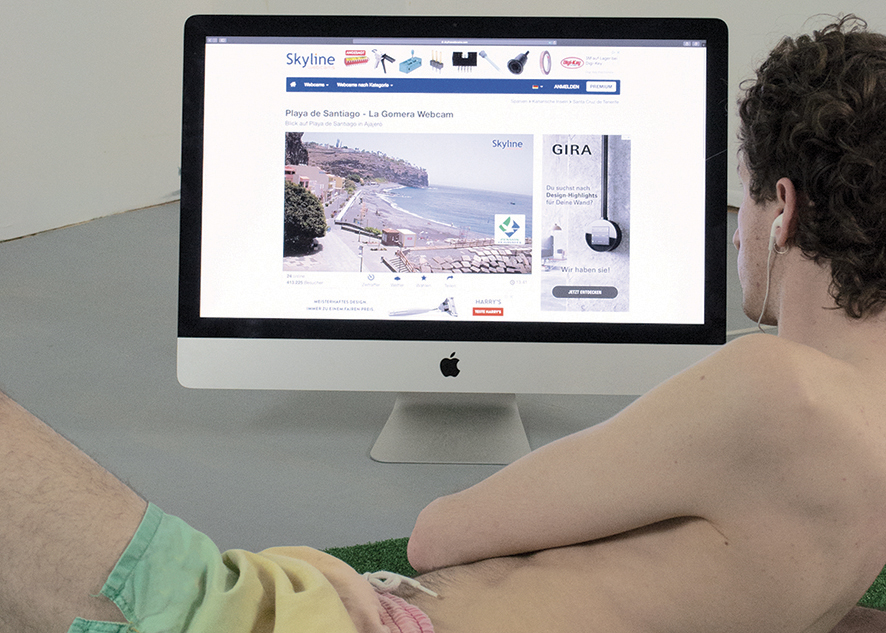


The project’s critical reflection arises from the historical and symbolic meaning of the lawn in Western bourgeois culture. As Yuval Noah Harari reminds us in Homo Deus, the lawn originated within the French and English aristocracy of the late Middle Ages: vast green spaces in front of castles displayed wealth and power, requiring land and labor with no productive function. Over time, the symbolism of the lawn extended to political institutions and bourgeois life: courts, parliaments, and presidential residences maintained the association between lawn, authority, and prosperity, while the nineteenth century democratized the domestic garden through the advent of lawnmowers and irrigation systems. At the same time, the lawn entered the world of sports, confirming its role as a surface onto which collective ideals are projected.
From this perspective, synthetic grass appears as an economic simulacrum of an established status symbol. In today’s market, the exoticization of products adds yet another dimension: the artificial lawn reproduces not only material well-being but also the idealized image of escape and paradise. It is the transformation of the dream into surface—an object flat, artificial, and purchasable, condensing and commodifying the imaginary of vacation.
As Sybille Krämer observes in her lecture Digitalität und die Kulturtechnik der Verflachung (re:publica, 2019), contemporary culture tends to “flatten” reality, translating the world’s three-dimensional complexity into representable and controllable surfaces. In this sense, names such as Mallorca or Bali are not mere marketing inventions: they embody a symbolic appropriation and an aesthetic simplification of the real. Paradise is reduced to a plastic carpet, and the experience of travel is transformed into a commodity confined within the domestic space.

"Bismarck" is the name of a traditional Italian pizza with tomato sauce, mozzarella, ham and a fried egg. In 1862, the then Prussian Prime Minister Otto von Bismarck gave a speech to the budget committee of the Prussian House of Representatives in which he claimed that "blood and iron" [Blut und Eisen] were needed to bring about change. Historically, the phrase was mistakenly translated in Italian as "blood and egg" [Blut und Ei] and Otto received a pizza named after him.
*Project developed with the conceptual support of Prof. Aram Bartholl.
**Request the screening link here.


The VR performance "Anatomy of a Pasta al Pomodoro" is based on the attempt to translate an analogue space into a virtual one through movement.
While cooking, the VR controllers dysfunctionally attached to the forearm tracked the movements in the form of a blue spaghetti-like line in virtual space. The blue digital tangle emerged from the performative act - cooking - and functioned as a floor plan for the 1:1 translation of the analogue kitchen into its virtual equivalent. Subsequently, two-dimensional images of the kitchen were stitched together in the virtual space to create a sense of space so that the users could keep being performative and performant in both digital and analogue space.
*Project developed with the conceptual support of Prof. Aram Bartholl.


How can we experience physical intimacy in a virtual space? How does digital self-love look like? In Self—Love VRClinic, a hybrid and mechanical crying creature resembling the Capitoline she-wolf, a mythological creature standing for motherhood and care, approaches the user begging to be petted. In her digital solitude, she is unable to feed: she asks for the virtually disembodied user/ performer/ agent to be empathetic with her. The avatar, whose visage resembles the user's one, comes towards the user and floats for a while trough and around them. The user/ performer/ agent is fully disembodied in the virtual space, their default body is pure absence, a traceless phantasm. In order for the user/ performer/ agent to pet the avatar with the VRhands, they end up cuddling themselves with their own haptic hands in the analogue world. After a while the avatar goes away and the user has just to wait for it to come back again. A Self–Love Mantra is to be heard during the whole duration of the treatment and functions as a catalyst for creating a safe and reassuring psychic environment.

This performance based VRgame can be played while standing outdoor or laying in your own bed. Since the pandemic, it got more difficult and potentially dangerous to get physical affection from others and Self-Love got a new meaning and extent in our daily life. The immersive work "Self—Love VRClinic" deals with these questions speculating if the usually algid digital space could be used as a safe space for taking care of one's self-esteem and well-being. The idea is to create a personalized VRSpace where users/agents are able to cuddle themselves and so to produce oxytocin - the so-called "cuddle hormone" or "feel-good hormone." The VRarchitecture is a glitched temple-pharmacy. A distorted texture of skeletal muscles gives haptic materiality to the pixellated virtual algidity. "Self—Love VRClinic" investigates the ecology of love while seeking for alternative ways of self-care in times of analogue fragility.
*Project developed with the conceptual support of Prof. Aram Bartholl.


With its idyllic pebble beaches and the famous "Promenade des Anglais," the Riviera city of Nice is one of the most popular holiday destinations among wealthy tourists. However, the picturesque city has been undergoing a structural transformation for some years now: it has become a dystopian crime-fighting laboratory due to the widespread use of CCTV cameras and facial recognition technologies. The aim of the mayor of Nice, Christian Estrosi, who has been in power since 2008, is to improve "safety and calm on the streets" and thus to promote the city as an exemplary and avantgarde model for a "Safe City" in France. As part of the "Safe City" agreement, the first facial recognition test was carried out in 2019 during the famous "Carnaval de Fleurs."
Today, the country’s fifth largest city in terms of population is de facto the "most watched city in France." More than 2,600 cameras have been installed on the street - one for every 128 inhabitants, thus an increase of 1111% since 2007.
Based on Adam Harvey’s style tips against facial recognition technologies, the speculative game "Devine Tête - Version Nice" was designed as a fictional, special edition to the game series "Devine Tête Grands Classiques," "Nomade (Jeu de Voyage)," and "Mimes (Jeu de Société)" already marketed by Megableu.
The players attach a card with the name of a famous person to each other’s foreheads and have to guess who they are at the moment. For this special edition, an extra image of the area between the nose, eyes and forehead of each famous person has been printed on the back of the cards, which is an essential feature for OpenCV’s face recognition algorithm. By covering one’s own nose-eye-forehead area with that of a celebrity, the game becomes a wearable against the facial recognition technologies introduced in Nice.
*Project developed with the conceptual support of Prof. Aram Bartholl.